Having your own dog is a huge joy, but also everyday responsibilities, obligations and a change to your current lifestyle. Many people imagine mostly shared walks, play and cuddles, forgetting that a dog also needs patience, time, training and a sense of safety.
That's why it's worth preparing well for this new role before you adopt. The more you know from the start, the easier the beginning of life together will be, and the easier it will be to build a healthy relationship with your dog.
Are you ready for a dog?
Before adopting, it's worth honestly thinking about your everyday life. A dog requires regularity, commitment and the caregiver's presence. It's not just the duty of a morning and evening walk, but also organising your day around the animal's needs.
It's worth answering a few questions for yourself: Do you have time for several walks a day? Are you ready to get up earlier? What will you do with the dog when you travel? Do all household members agree to having a dog? Do you have the patience for training and adaptation?
Many people go through a temporary crisis and fatigue after adopting. That's normal — especially with a first dog. It's worth being aware that the beginnings don't always look ideal.
Don't choose a dog just by looks
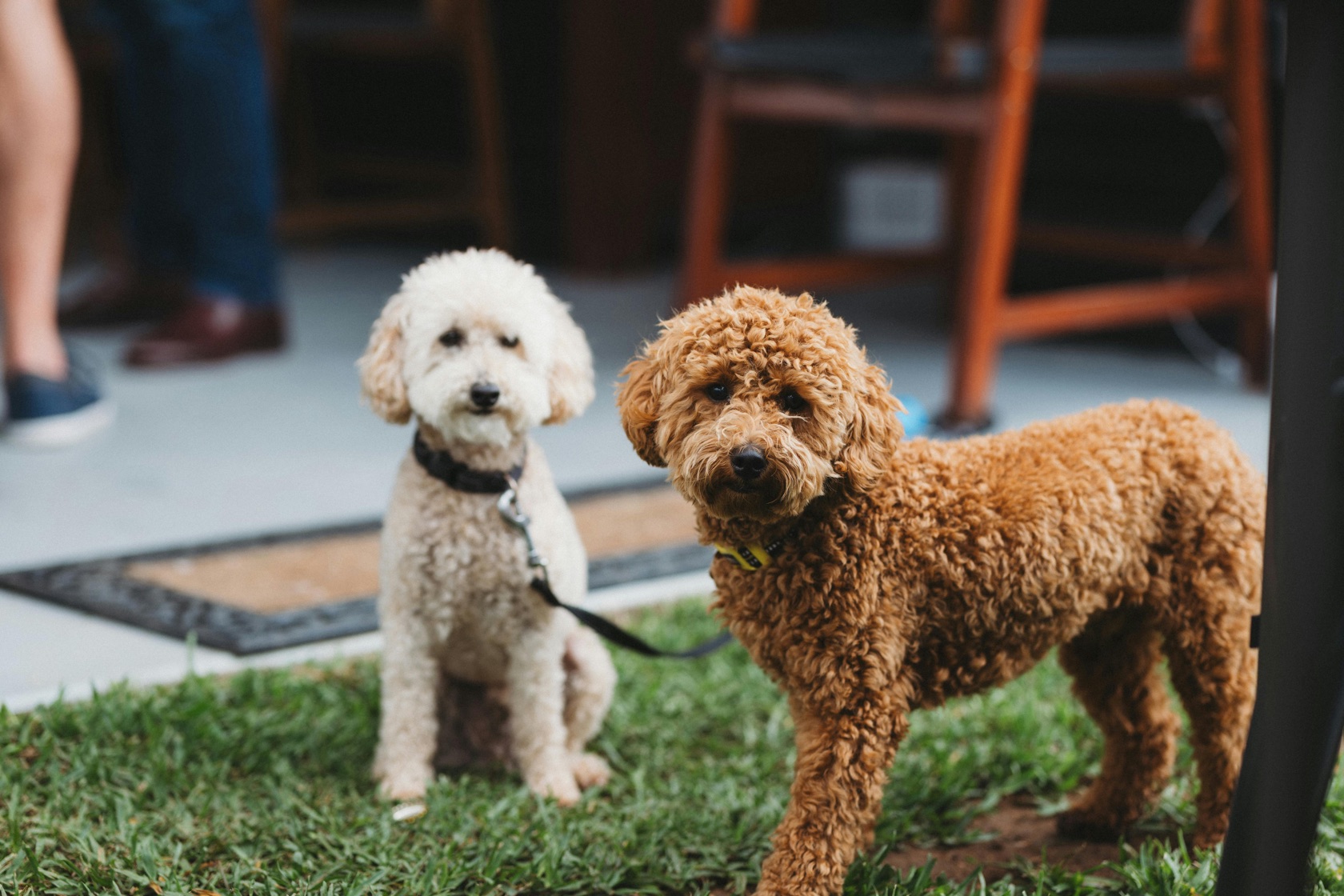
A beautiful photo of a dog online doesn't tell you everything about its character and needs. Before adopting, it's worth learning more about the dog's temperament, energy level, experiences and behaviour.
Not every dog will feel comfortable: in a flat in the city centre, in a home with small children, in a place full of noise, with long absences from its caregiver.
A puppy requires an enormous amount of time and training, while an adult dog may already have established behaviours and past experiences. What matters most is matching the dog to your lifestyle, not choosing on looks or breed popularity alone.
How to prepare your home before adopting a dog?
The first days after adoption are very stressful for a dog. A new place, new smells and unfamiliar people can cause fear and uncertainty.
Before the dog arrives, it's worth preparing: a bed in a quiet spot, water and food bowls, a lead and harness, safe toys, chews and sniffing mats, an ID tag, appropriate food.
It's also worth pet-proofing your home: hiding cables, securing the balcony, hiding chemicals, removing toxic plants. It's also a good idea to agree on the rules between household members in advance. Consistency helps the dog settle into the new reality more quickly.

The first days after adoption can be difficult
How to understand the signals a dog sends?
Dogs communicate mainly through body language. Being able to recognise signs of stress and discomfort helps build a better relationship and avoid behavioural problems.
It's worth paying attention to things like: licking the nose, yawning, turning the head away, a tense body, a tucked-in tail, avoiding contact. Modern knowledge about dogs is based on building trust and a sense of safety, not on dominance and punishment.
How to raise a dog without stress or punishment?
You can find plenty of harmful advice about raising dogs online. Shouting, punishment or choke leads don't solve problems and often lead to the dog's behaviour getting worse.
It works much better to use: positive reinforcement, rewarding good behaviour, calm communication, cooperation-based training, building the relationship. 📚 It's worth using proven sources of knowledge: online courses, behavioural books, consultations with trainers, materials prepared by specialists.
How much does keeping a dog cost?
The cost of keeping a dog is higher than many people think before they adopt. Regular expenses include: food, the vet, vaccinations, parasite prevention, walking accessories, training, care while travelling, petsitters.
Unexpected situations also arise, such as treatment, replacing destroyed items, or extra behavioural consultations. 💰 A dog is an emotional, financial and time investment — but for many people it's also one of the best decisions of their life.
Can you have a crisis after adopting a dog?
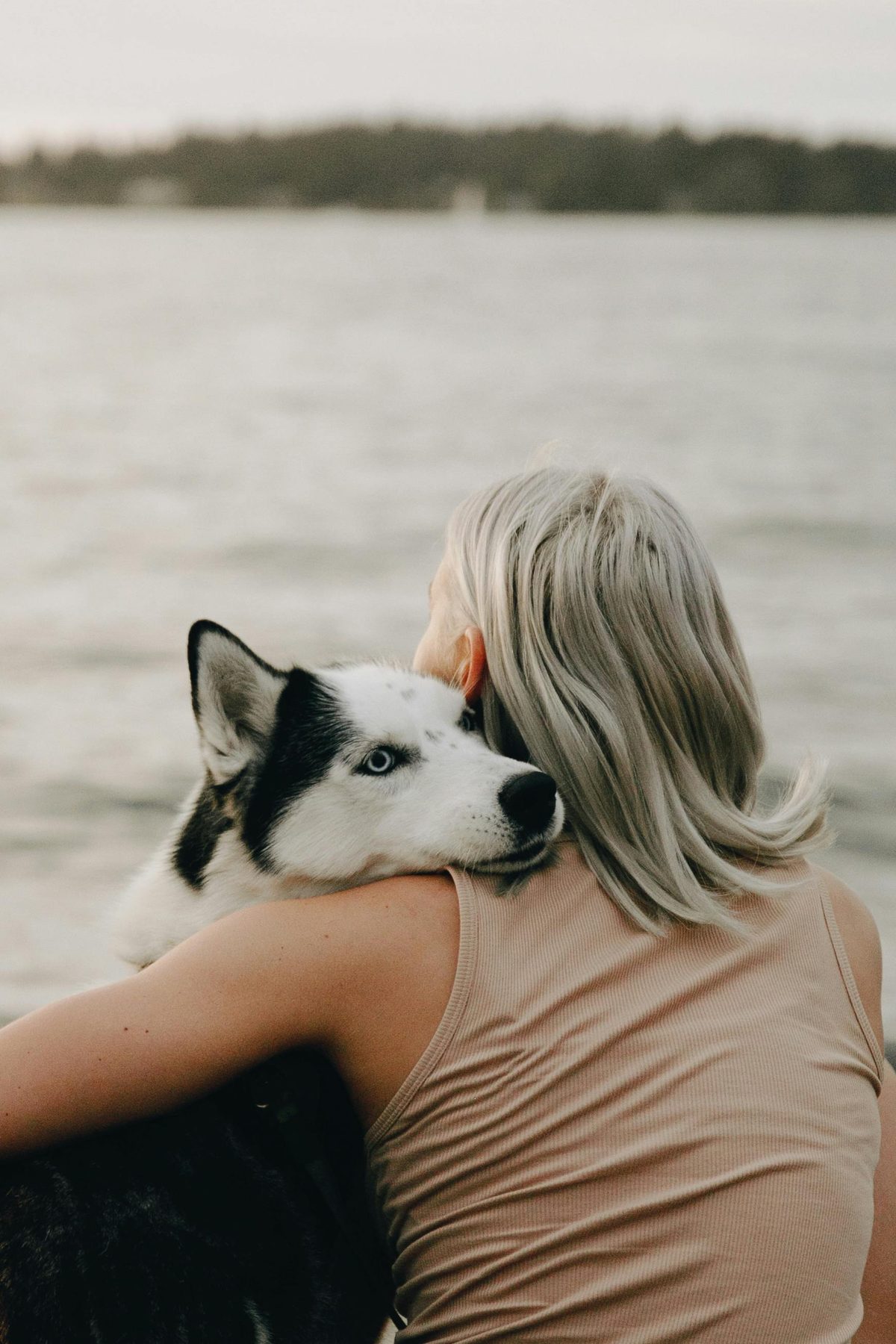
Many new caregivers wonder after adopting: 'will I manage?', 'was this a good decision?', 'why is this harder than I thought?'. That's completely normal. Both the person and the dog need time to learn to live together. 🧡 A relationship with a dog is built gradually — through everyday life, calm presence and mutual trust.
Adopting a dog is the start of a relationship that can last well over a decade. The better you prepare before the dog arrives at home, the calmer the start will be for both sides. What matters most is patience, awareness and a willingness to learn.
A dog doesn't need a perfect caregiver — it needs a person who wants to understand it and give it a safe, calm life.