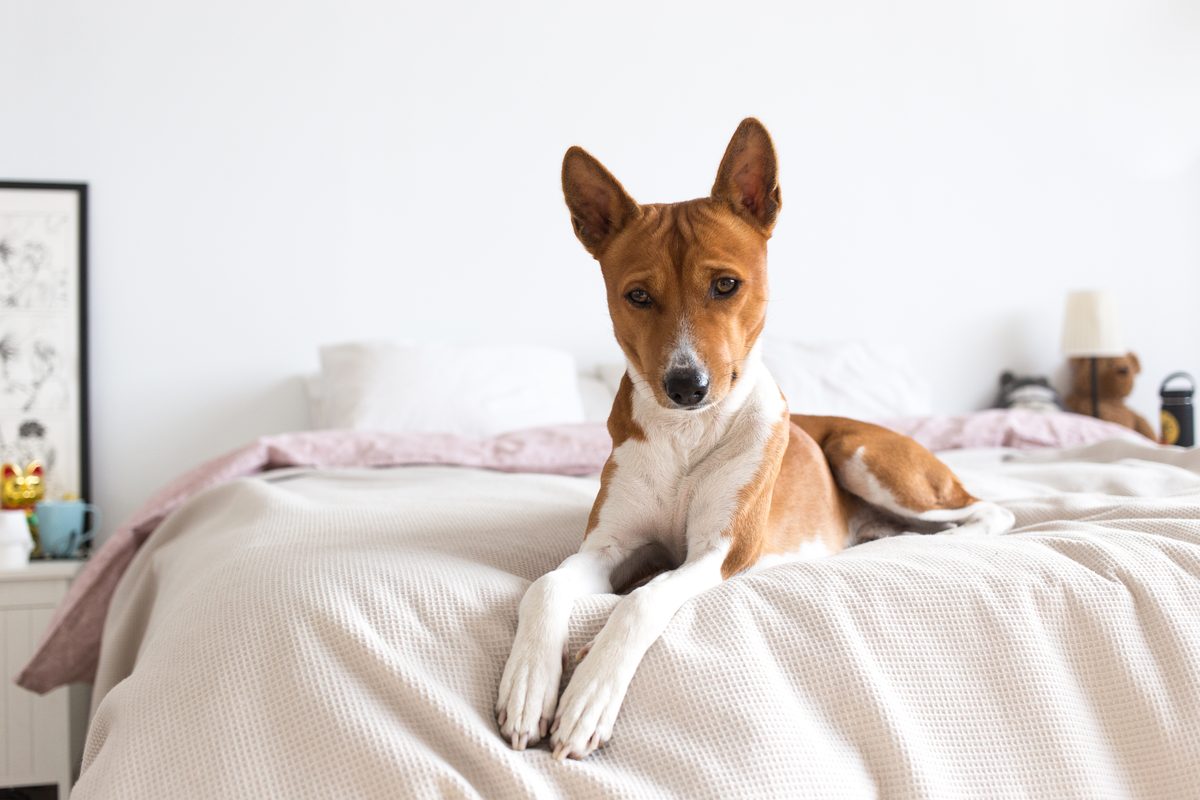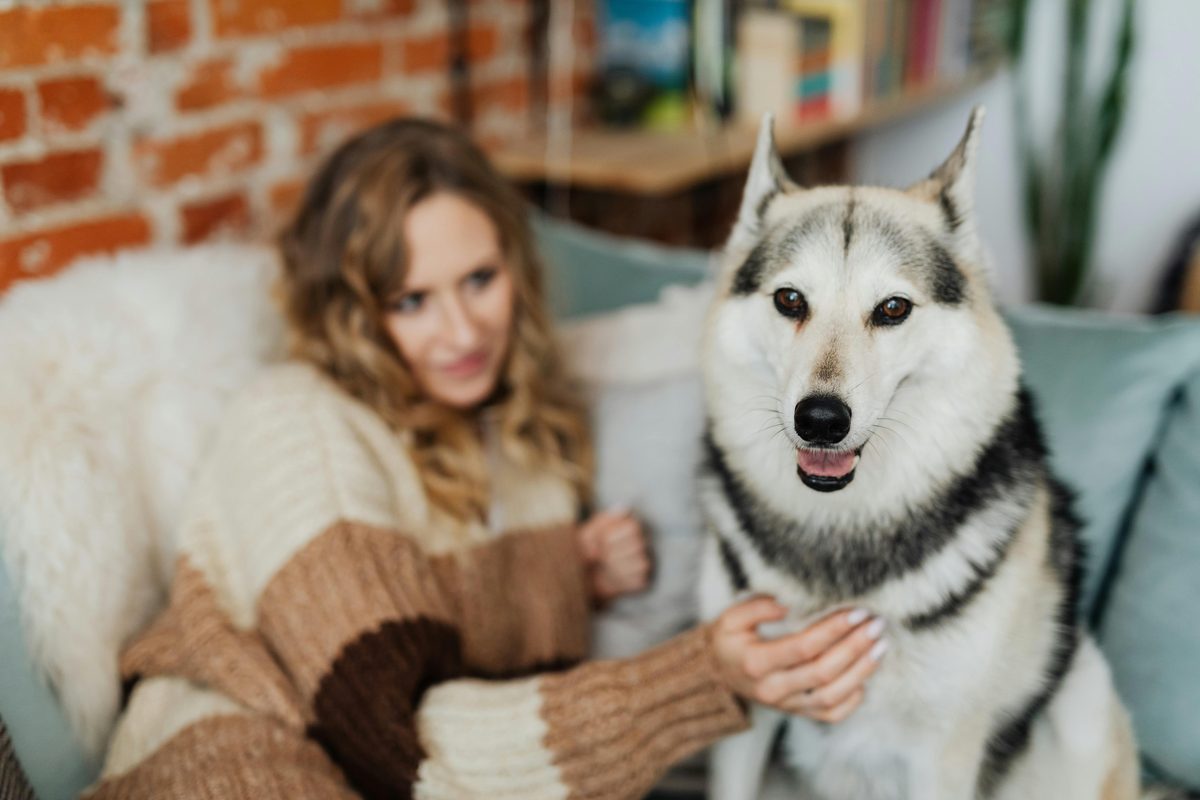
Do dogs miss us? What we know for sure
Dogs are social animals that form strong emotional bonds with their caregivers. Scientific research confirms that dogs recognise their people by face, voice and scent, feel joy at seeing them, and feel stress and unease during separation.
In a dog's brain, contact with a beloved person activates the same areas responsible for emotion as in humans. But what we call 'missing someone' doesn't necessarily look in a dog the way we imagine.
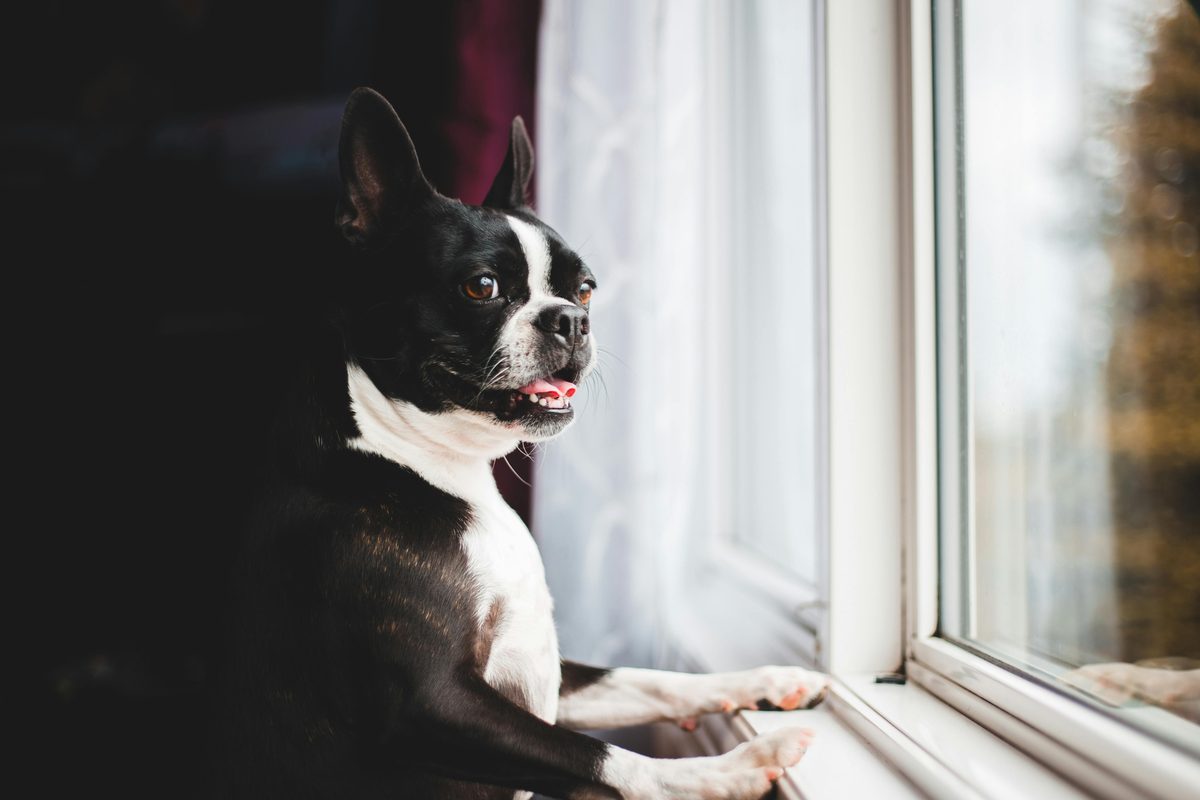
Dogs don't sit by the window consciously waiting for their owner to return — their experience of separation is different from ours, but no less real. Some dogs simply sleep while their caregiver is away. Others grow anxious, whine or destroy things.
Still others don't show emotion right away, but react strongly once the owner returns — jumping, whining, unable to settle for a long time.
What happens in a dog's head when you leave?
Researchers at the University of Budapest carried out studies showing that dogs can distinguish emotions on human faces and react to them in a way similar to humans.
Other studies have shown that dogs left alone show elevated cortisol levels — the stress hormone — within just a dozen or so minutes of their caregiver leaving.
Interestingly, research also shows that dogs are happier to see their owner after a longer absence than after a short one. This suggests that the length of separation matters to them — and that they genuinely notice how long you were out of the house.
How can you tell that a dog copes poorly with being alone?
Not every dog communicates stress the same way. It's worth observing your dog's behaviour both before you leave and after you return — and best of all, filming it right after the door closes.
Signs that a dog struggles with separation: nervous pacing around the flat right after you leave, intense barking, howling or whining, destroying personal items — shoes, clothes, cushions, toileting indoors despite knowing the rules, refusing to eat while the owner is away, excessive, hard-to-control excitement upon return, apathy and lack of interest in its surroundings for the entire time you're away.
It's worth remembering that none of these behaviours are 'spite' or manipulation. It's stress the dog doesn't know how to handle any other way — and it calls for understanding, not punishment.
Does every dog miss its owner the same way?
No — the intensity and way of experiencing separation varies significantly between dogs.
- Several factors matter in particular: Agepuppies and young dogs are usually more sensitive to loneliness because they haven't yet learned to be independent. Older dogs that have spent their whole lives with their caregiver can react just as strongly to a sudden change in routine.
- Breed and characterdogs bred for close cooperation with humans, like the border collie, Belgian malinois or golden retriever, often find being alone harder than more independent breeds. But a specific dog's temperament can matter more than breed standards.
- History and experiencesdogs adopted from shelters or those that have experienced trauma may react more strongly to separation and need more time to build a sense of safety.
- The caregiver's lifestylea dog that spent years with its owner all day (e.g. during remote work) and suddenly is left alone for 8 hours is especially at risk of severe separation stress. A change in lifestyle should be introduced gradually.
How to help a dog that copes poorly with being alone?
Establish calm leaving and returning rituals
Long, emotional goodbyes ramp up tension — the dog learns that your departure is a big event that should worry it. A short, calm departure and an equally calm greeting on your return help the dog understand that separation is normal and safe.
Organise an activity for while you're away
Chews, sniffing mats, treat toys — these aren't just entertainment, but an effective way to release tension. Give your dog these things only before you leave, so it starts associating your absence with something pleasant.
Gradually teach your dog to stay alone
Start with very short absences and gradually extend them. Reward calm behaviour on your return. This teaches the dog that it can cope on its own and that you always come back — which builds its confidence and sense of safety.
Provide enough exercise before you leave
A dog that's physically and mentally tired copes with being alone far more calmly. A good sniffing walk before you leave is one of the simplest and most effective ways to reduce separation stress.
Don't punish the dog when you return
If a dog has destroyed or misbehaved, punishment after the fact achieves nothing — it can't connect it with something that happened hours earlier. Instead of anger, stay calm and think about what to change to prevent the problem in future.
Missing someone versus separation stress — what's the difference?
It's worth distinguishing two states that are often confused: Missing and boredom — the dog is sad or bored, but copes with being alone. Once the owner returns it quickly goes back to normal behaviour. It's a natural state that doesn't require intervention.
Separation stress — the dog experiences intense anxiety related to the owner's absence. Destructive behaviour, barking, howling and physical symptoms of stress appear right after you leave and last a long time. This is a state that requires work — best with a behaviourist's help.
Filming your dog right after you leave is the simplest way to check which case you're dealing with.
What to do if a dog still copes poorly with separation?
It's worth getting help from a specialist — a behaviourist or an experienced trainer who can help develop a work plan tailored to your specific dog.
With severe separation stress it's also worth talking to a vet — in some cases, pharmacological support alongside behavioural work significantly speeds up progress.
In everyday life, using a petsitter's services can help — a caregiver comes to the dog while you're at work or away, breaking up long periods of loneliness.
It's a simple solution that often significantly improves a dog's quality of life without the need for long-term behavioural therapy.
FAQ — dogs and missing their owners
Do dogs know how long you've been out of the house?
Yes — research suggests dogs feel the difference between a short and a long absence by their owner. They react more intensely after a longer separation, indicating a certain sense of elapsed time, though different from ours.
Can a dog stop missing its owner over time?
Most dogs cope better with being alone as they age and become properly accustomed to it. With systematic work on building the dog's independence and keeping a consistent routine, stress levels typically drop noticeably.
Does a second dog help with separation stress?
Sometimes, but it's not a rule. If the stress comes from a strong attachment to a specific person, a second dog may not help at all. The decision to adopt a second dog should be well thought through and motivated by more than just wanting to solve a separation problem.
Does leaving the TV or radio on help a dog?
For some dogs, a light background hum has a calming effect — especially dogs used to something always playing at home. There are special music playlists created for dogs left alone. It's worth testing and watching your dog's reaction.
Dogs really do miss their owners — it's not a myth or anthropomorphising. They form deep bonds and can experience separation intensely. The better you understand your dog's emotions, the easier it is to help it — and the calmer you'll both handle every goodbye.