Dogs like predictability. They know what time they go for a walk, when they get fed, and where they usually rest. Even small deviations from the daily routine can catch their attention, which is why an owner's absence of several days is a big change for many animals. That doesn't mean, though, that every trip has to be a difficult experience for the dog. A lot depends on how well we prepare our pet in advance and whether the new caregiver continues the rituals it knows. The more elements of everyday life stay unchanged, the easier it is for the dog to accept the separation.
Let your dog meet the petsitter in advance
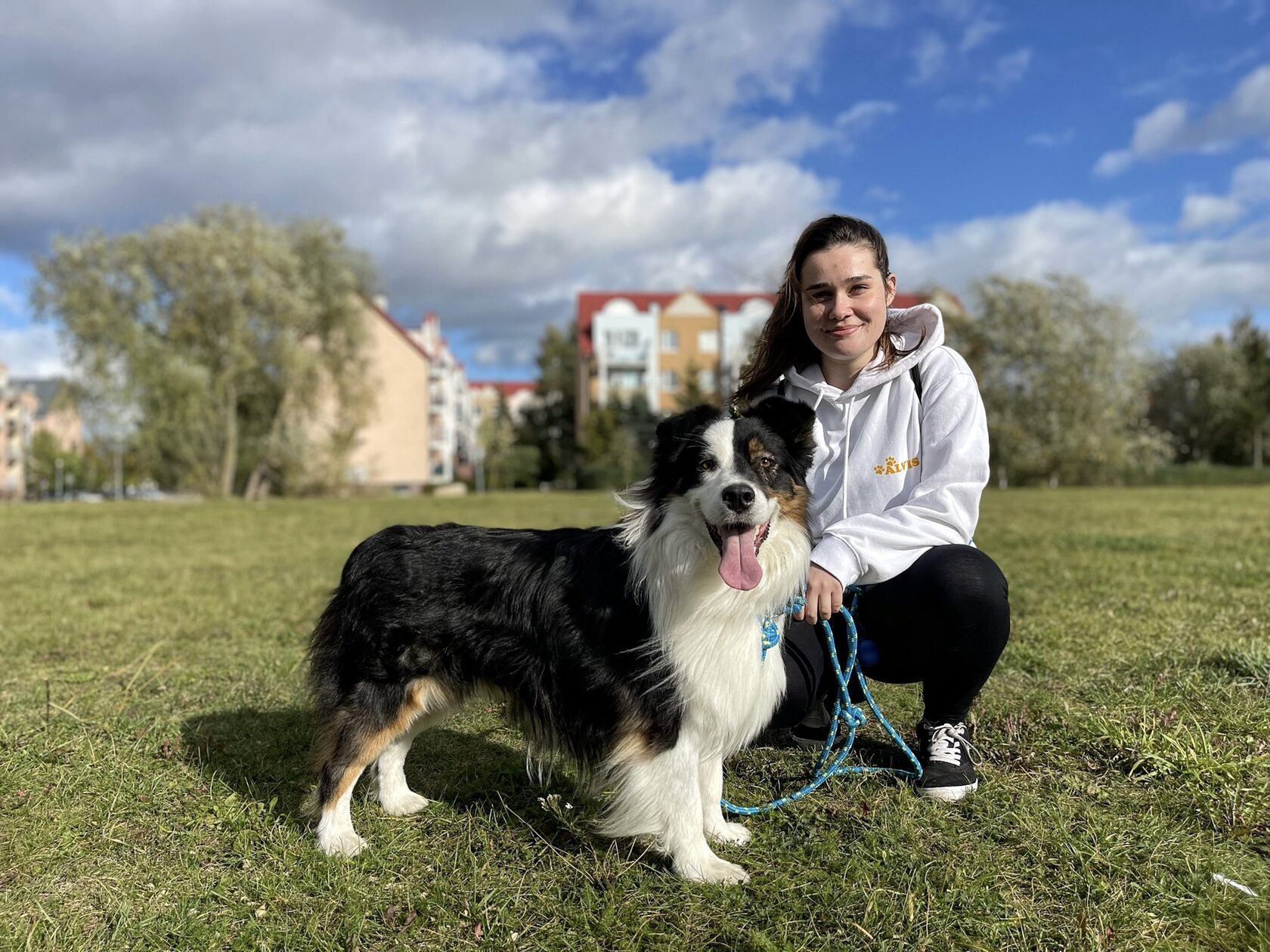
This is one of the most important steps, which many owners forget. Leaving a dog with a complete stranger on the day of departure can make the animal feel uncertain. It's much better to arrange one or two meetings beforehand. The first introduction is best done during a shared walk. This gives the dog the chance to calmly get to know the new person in a neutral setting. On subsequent days, the petsitter can visit the dog at home, play with it, give it water or a meal, and even stay with it for several minutes without the owner present. Such short visits build trust and mean that, on the day of departure, the dog sees a familiar face rather than a complete stranger. If your dog is shy or cautious around new people, don't rush this process. Some animals need more time to feel at ease.
Keep your dog's daily rituals
The owner's departure is itself a big change, so it's not worth adding more surprises for the dog on top of that. If it's been having breakfast at eight in the morning and going for a walk in the evening around seven, it's good for the petsitter to try to keep a similar daily schedule. Before leaving, it's worth preparing a short set of instructions with the most important information. It should include not just portion sizes or walk times, but also the dog's everyday habits. It's good to note down, among other things: favourite walking routes, commands the dog uses day to day, feeding times, the spot it likes to rest in most, favourite games, information about medication or allergies, and the vet's phone number. This way the new caregiver will be able to give the dog a sense of stability. For an animal, a familiar daily schedule often means more calm than the most elaborate toys.
Leave your dog its favourite chews and toys
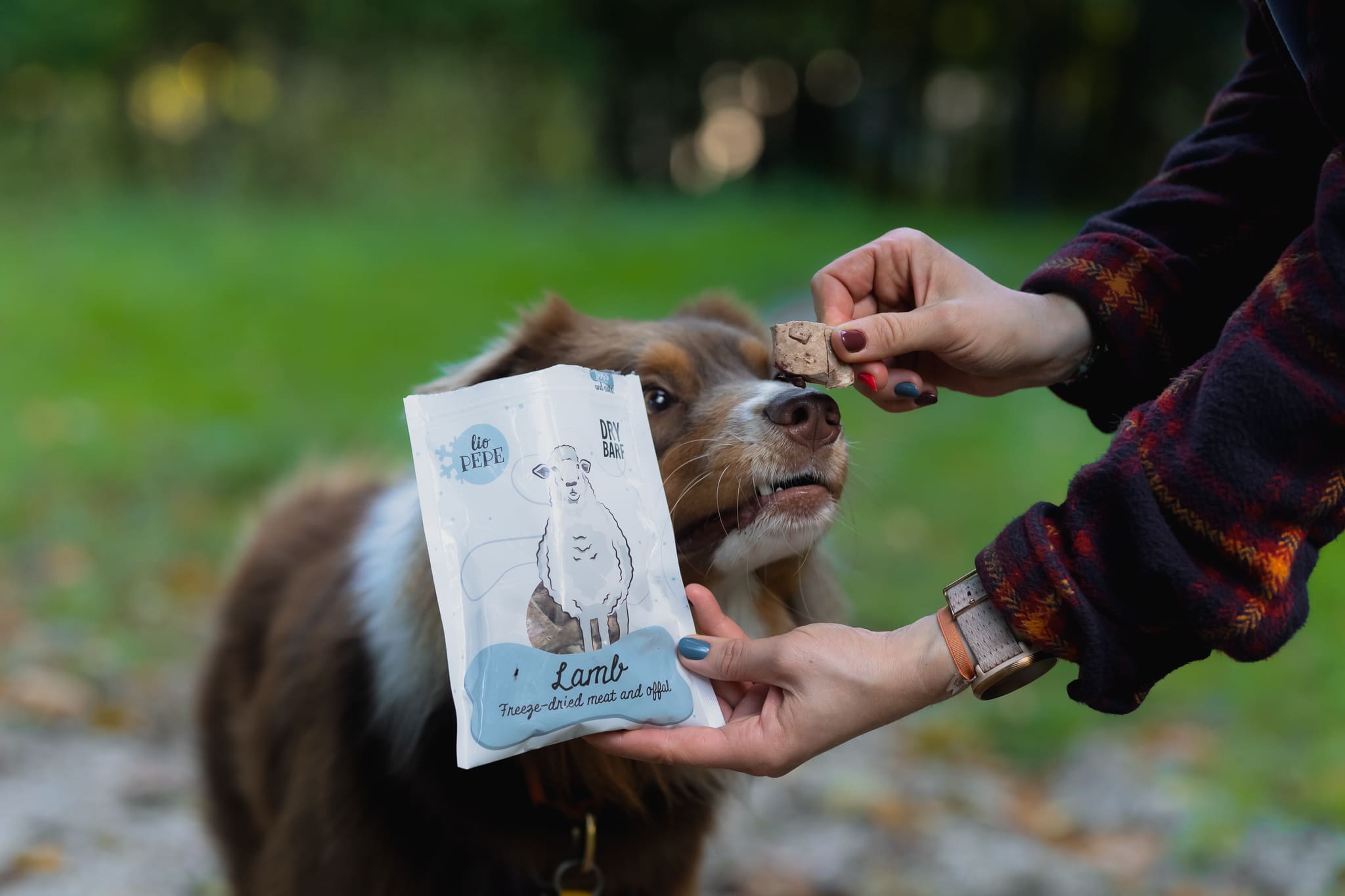
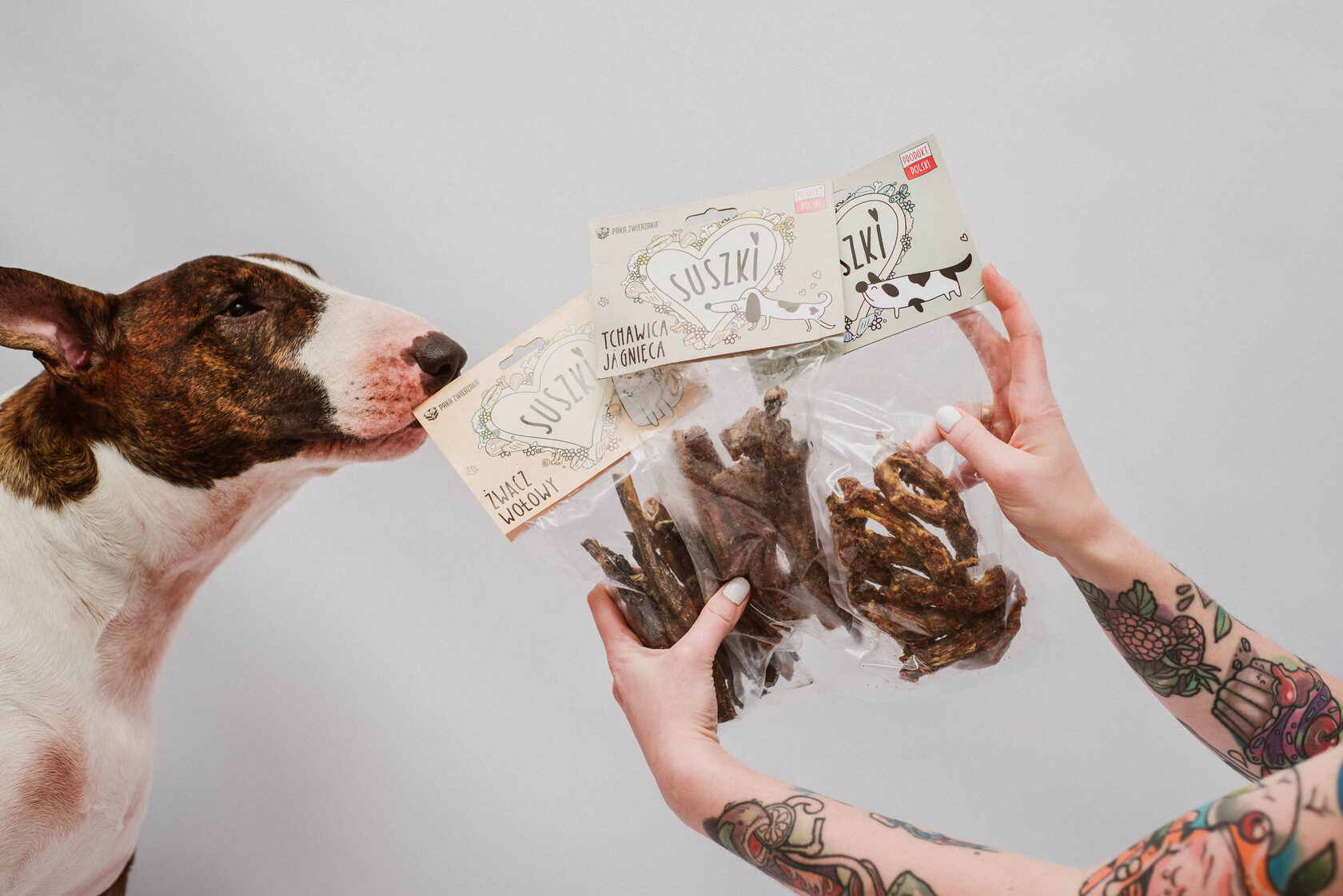
It's not worth buying new accessories right before the trip. It's much better to leave the dog things it knows well and enjoys using every day. A favourite toy, a blanket that smells of its owner, or a sniffing mat help a dog settle into the new situation more quickly. Proven dog chews, which keep the animal occupied for longer, are also a good idea. Chewing is a natural need for dogs. For many, it's a way to wind down after a walk or during rest. That's why it's worth leaving the petsitter a few chews the dog already knows and tolerates well. This isn't the best moment to experiment with new products — a change of diet or an unfamiliar treat could unnecessarily strain the digestive system. If your dog has a favourite resting spot, it's worth giving it the chew right there. A familiar setting further reinforces its sense of safety.
Build good associations between your dog and the new caregiver
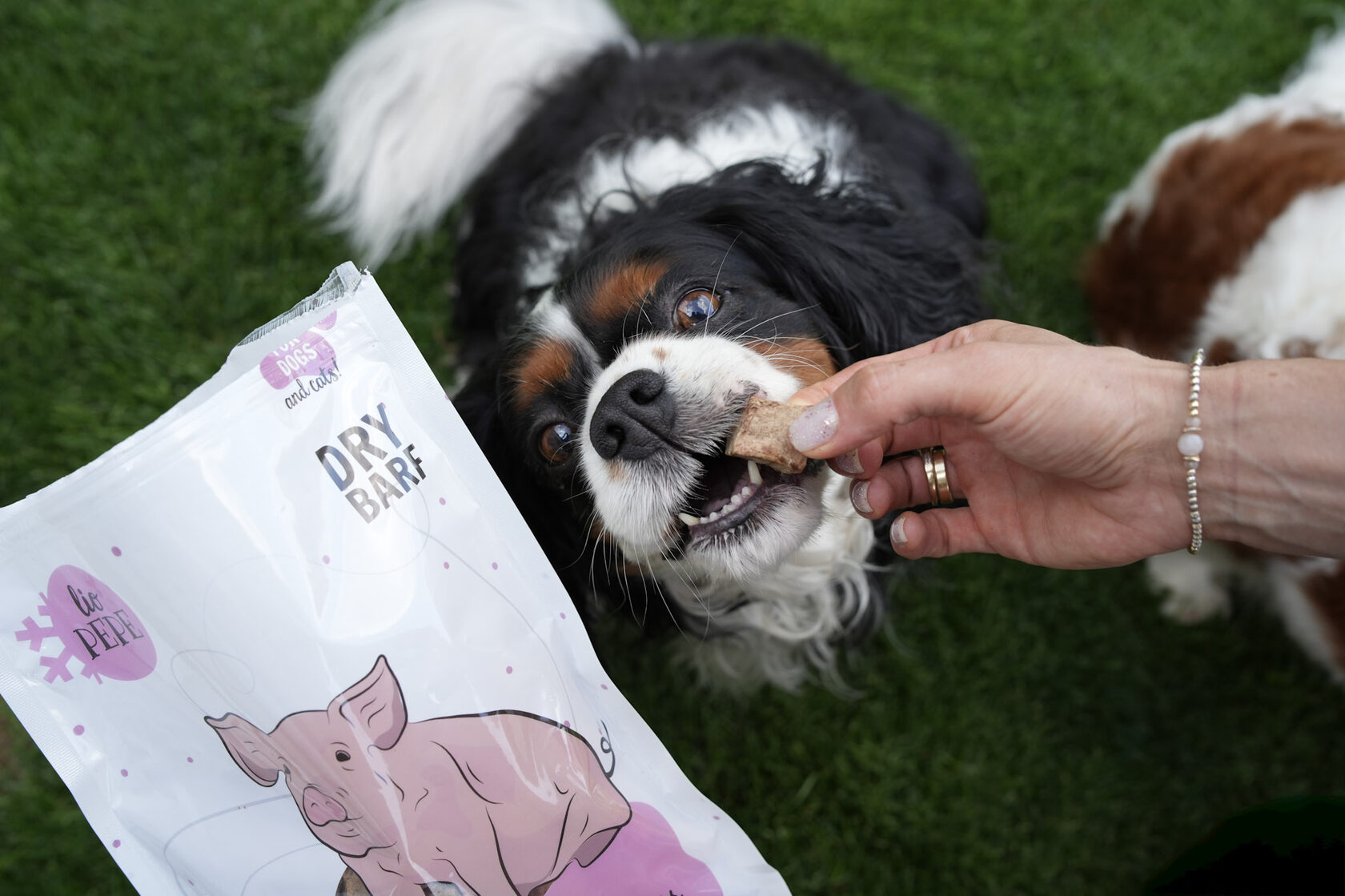
This applies especially to young dogs and puppies who are still discovering the world. For them, it's very easy to build positive associations with new people. Right from the first meetings, the petsitter can offer a short game, a shared walk, or reward the dog for approaching calmly. This way the new caregiver starts being associated with something pleasant. Small puppy treats, which can be used as a reward during learning or getting acquainted with the petsitter, work great for this kind of exercise. Small treats let you reward the dog often without the risk of overfeeding, while also helping build trust with the new person. Of course, rewarding shouldn't be limited to puppies alone. Adult dogs are also more willing to make contact with someone who communicates calmly with them and can create a friendly atmosphere. What matters most, though, is never forcing the dog into contact. Some animals need a few minutes, others even several meetings, before they approach the new caregiver on their own.
Prepare a calm activity for your dog's rest time
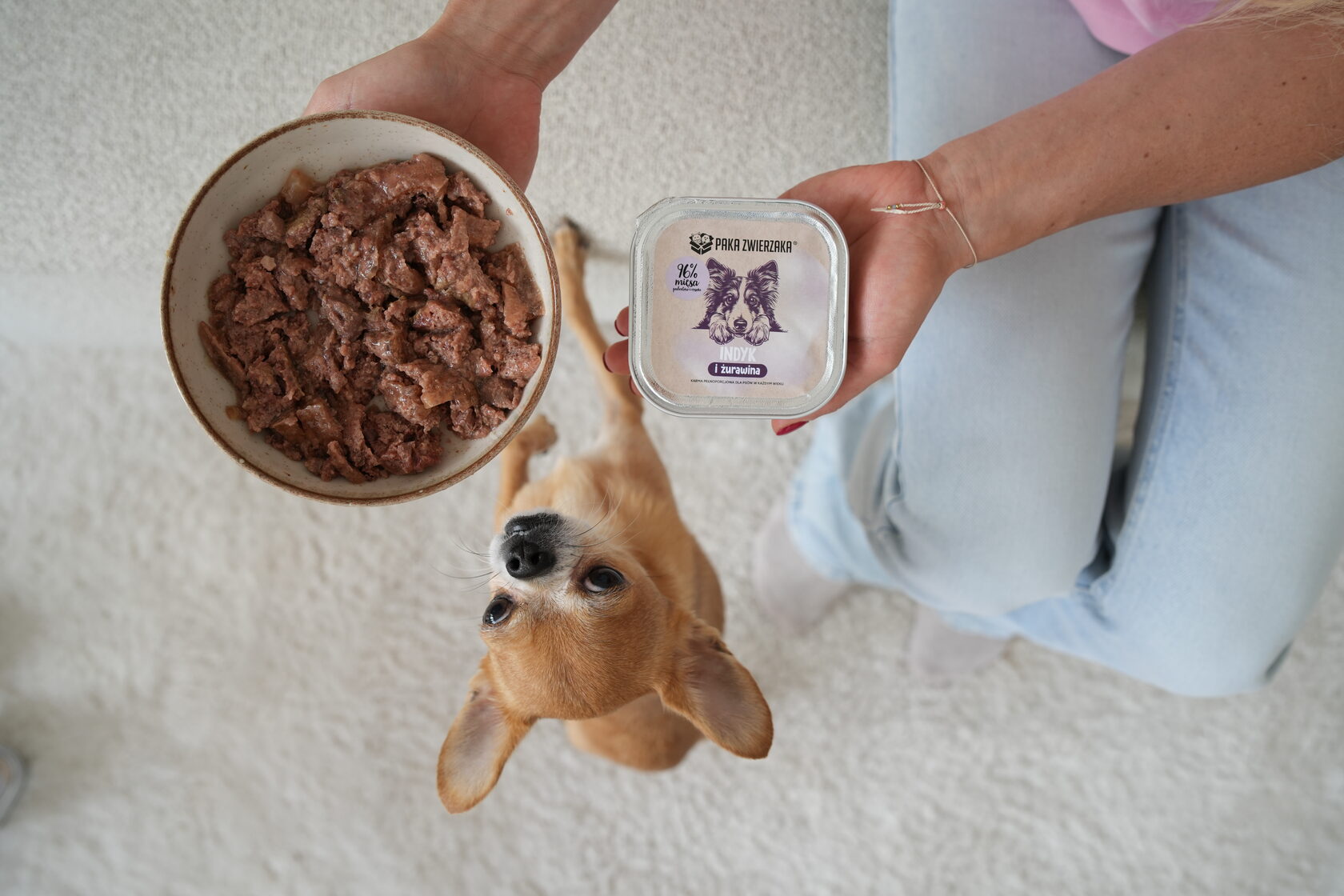
Many experienced petsitters use licking mats, Kong-type toys or other accessories that let a dog calmly occupy itself with food. It's a good way to add variety to the day and create a pleasant ritual for the animal after a walk. If your dog already uses such solutions day to day, it's worth leaving them for the trip too. They won't be a novelty to it, so it will accept the suggested activity more easily. Wet dog food works very well for filling mats or toys. It can be easily spread over the surface of the mat or placed inside the toy, so the dog gradually works the food out. This kind of activity keeps the animal engaged for longer and lets it calmly focus on a well-known task. It's worth introducing this type of activity before the planned trip. This way the petsitter can rely on proven solutions, and the dog doesn't have to learn new things at a time when it's already going through a change.
What's better not to do as a dog owner right before leaving?
When preparing a dog for separation, it's easy to make a few mistakes that, instead of helping, can unnecessarily make it harder for the animal to settle into the new situation. Above all, it's not worth: leaving the dog with someone it hasn't met before, changing its food right before the trip, buying lots of new toys at once, completely changing its daily schedule, or making very emotional goodbyes. Although it's hard to resist the temptation of a long hug before leaving, it's definitely better to stay calm. Dogs read their caregivers' emotions perfectly well. If the owner is anxious and keeps coming back to the dog before leaving, the animal may also read the situation as something exceptional and worrying.
Coming home to your dog matters too
After returning from a trip, many people want to immediately make up for the time apart. Of course, the joy of reunion is natural, but it's worth letting the emotions settle calmly. It's best to go back to the everyday rituals — go for a walk, play with the dog, and spend time with it as usual. For most animals, returning to the familiar daily schedule is the best signal that everything is back to normal. It's also a good idea to talk to the petsitter after the care period ends. This way you'll find out how the dog behaved during your absence, whether it ate and rested well, and how it reacted to new situations. This information can be very helpful when planning future trips.
The most common mistakes when preparing the bag
Many caregivers focus solely on food and accessories, forgetting the small details that significantly ease a dog's adjustment. The most common mistakes include: too little food or too few treats, no information about food allergies, packing new products the dog hasn't eaten before, leaving the petsitter without instructions on rewarding, and no favourite toys or items that smell of home. Avoiding these mistakes makes the stay go more smoothly, both for the pet and for the caregiver.
Summary
A well-prepared bag helps a dog settle into a new place more easily and reduces the stress of separation from its owner. Besides the basic accessories, it's worth taking care of well-chosen treats that will support walks, play and building a relationship with the petsitter. By choosing products matched to your pet's age, condition and nutritional needs, you increase the chances of a calm, safe and comfortable stay in the care of someone who will look after its everyday needs.