Alongside food, a bed and a few favourite toys, that bag should also hold some well-chosen treats. They take the edge off the stress, make it easier for your dog to warm to the caregiver, and come in handy throughout the day. Here's what's worth packing for a stay with a petsitter, and how to pick treats that suit your dog.
Why does a well-prepared bag matter so much?
A change of surroundings, new smells and a break from the daily routine can be a source of stress for a dog. Even the most experienced petsitter needs a moment to earn a pet's trust and learn its habits. The better you prepare everything necessary, the easier it will be to keep the existing daily rhythm. A well put-together bag should include: enough food for the whole stay, water and food bowls, a lead, collar or harness, a health record or information about any treatment, favourite toys, a bed or blanket that smells of home, and well-chosen treats. It's precisely treats that often turn out to be extremely helpful during the first days of adjustment.
Treats help a dog settle into a new place
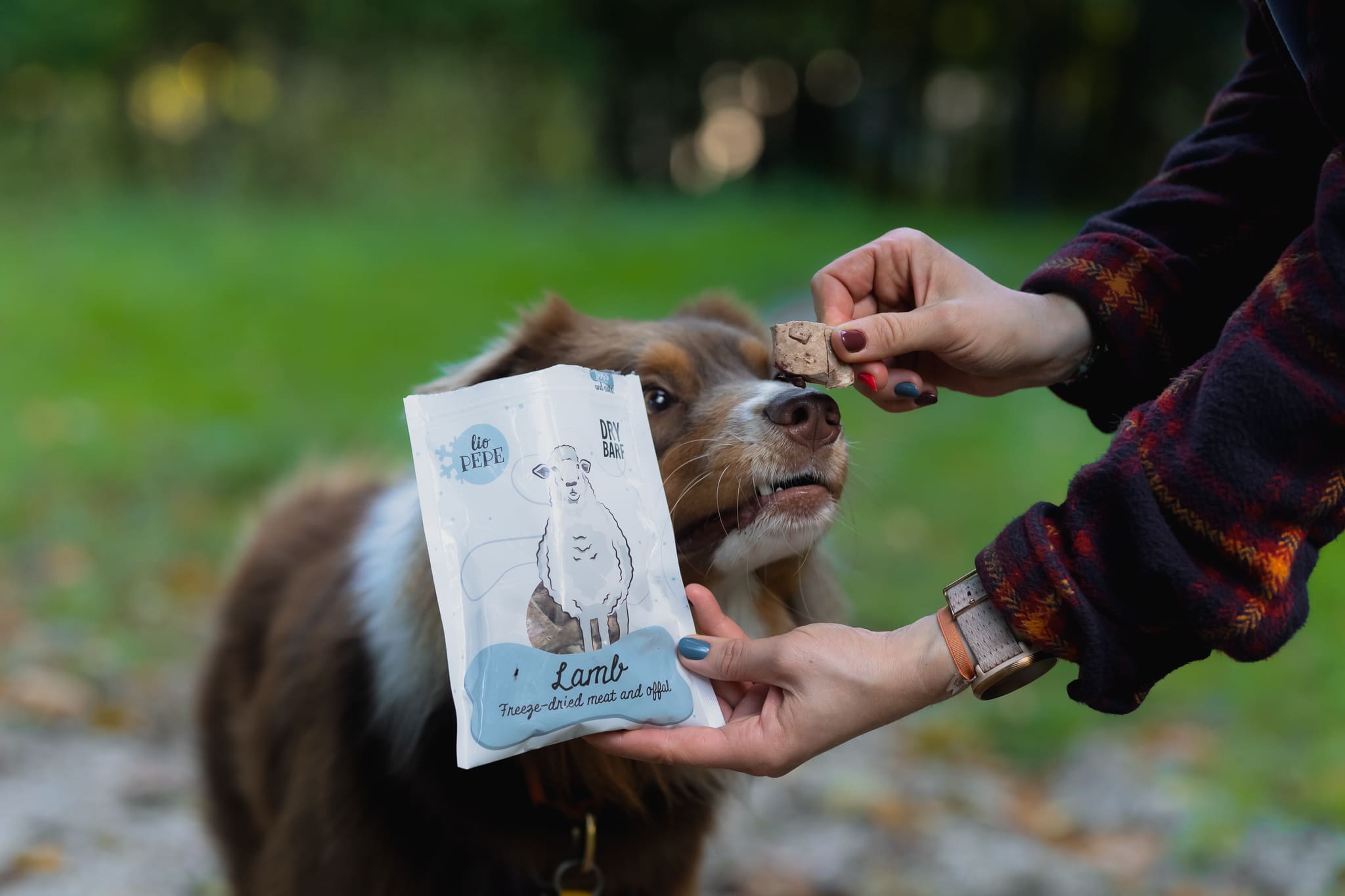
For a dog, rewarding is something far more than just a pleasure. Treats support positive associations with the new situation, help during walks, and make it easier to cooperate with the petsitter. It's worth letting the caregiver know: when the dog usually gets rewards, which ingredients don't agree with it, how many treats it can have in a day, and which treats work well during training. If your dog has food allergies or a sensitive digestive system, it's best to pack products it already knows and tolerates well.
Which snacks work well during a stay with a petsitter?
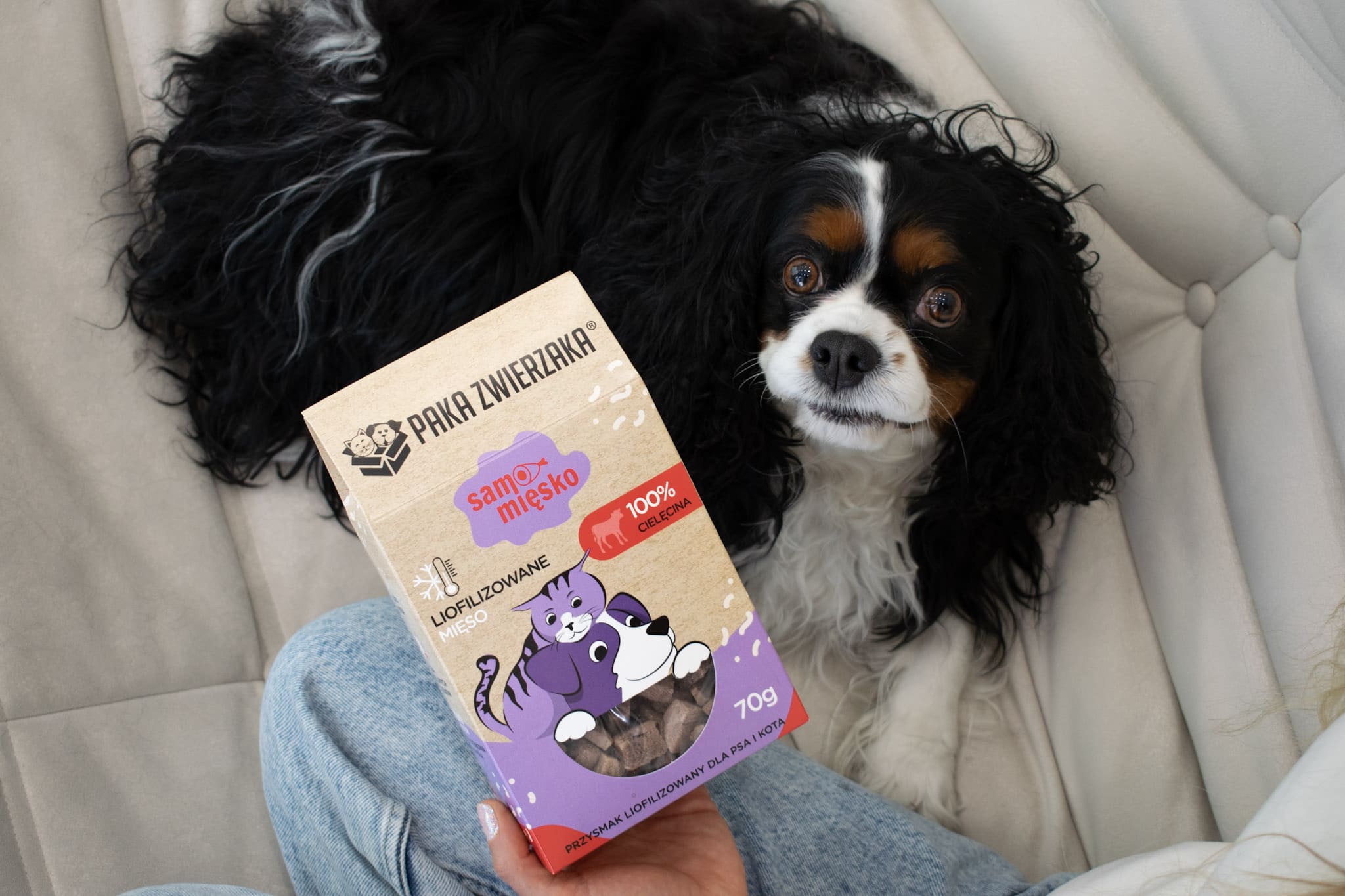
It's best to choose easily digestible products with a simple composition that don't cause digestive problems and are convenient to portion out. This way the petsitter can use them both as a reward and as part of scent-based play. A good choice would be dog snacks matched to your pet's age, size and activity level. For younger dogs, a soft texture and an appropriately sized treat are especially important, making them easier to give during training and everyday exercises. What to look out for when choosing? When putting together the bag, it's worth checking: the meat content, the length and clarity of the ingredient list, the absence of unnecessary artificial additives, the size of the treats, and their calorie content. The more natural the product, the lower the risk of stomach problems caused by the change of surroundings.
Treats for keeping your dog busy longer
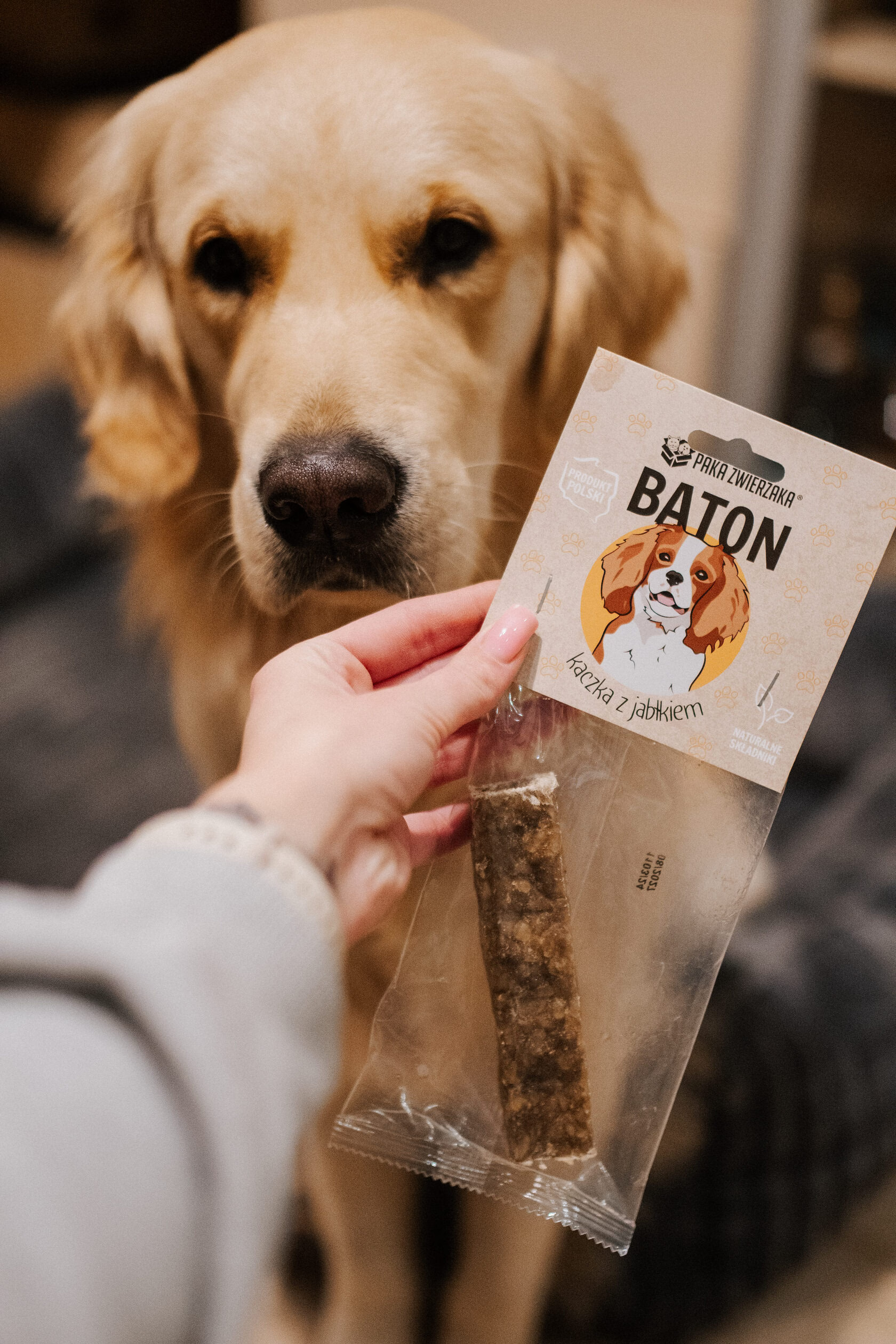
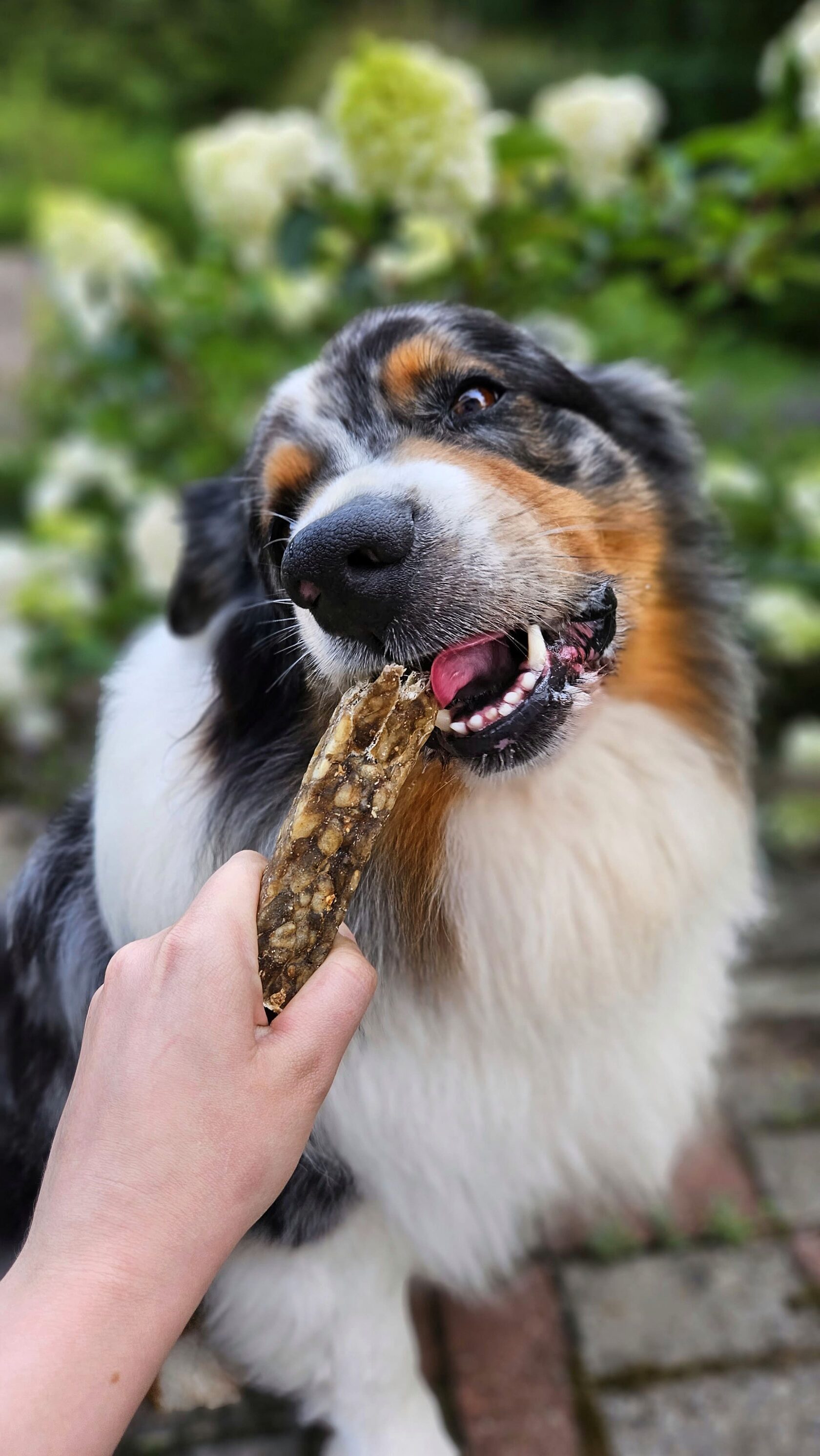
Some dogs cope worse with separation from their caregiver. In such situations, chews and treats that require longer chewing work brilliantly. Products like this help calm emotions and give the animal something extra to do. Dog bars, which can be given whole, are a good option. They work well as a reward after a walk or training session, and also help reduce stress related to separation.
When is it better to avoid new products?
A stay with a petsitter isn't the best time to test unfamiliar treats. Any change of diet can cause digestive problems, which would only add to the dog's discomfort. If you're planning to introduce a new type of treat, do it at least a few weeks before the trip. This way you'll be sure your dog tolerates it well.
What else is worth passing on to the petsitter?
Besides the bag itself, it's worth preparing a short set of instructions about your dog's everyday habits. It should include, among other things: feeding times, the number of meals, favourite forms of play, commands the dog knows, information about any fears, and how it likes to be rewarded. The more practical tips the caregiver receives, the easier it will be to maintain the routine the dog knows.
How to choose treats for your dog's age and needs?
Not every dog has the same nutritional needs. Different treats work well for a puppy, different ones for an active adult dog, and different ones again for a senior.
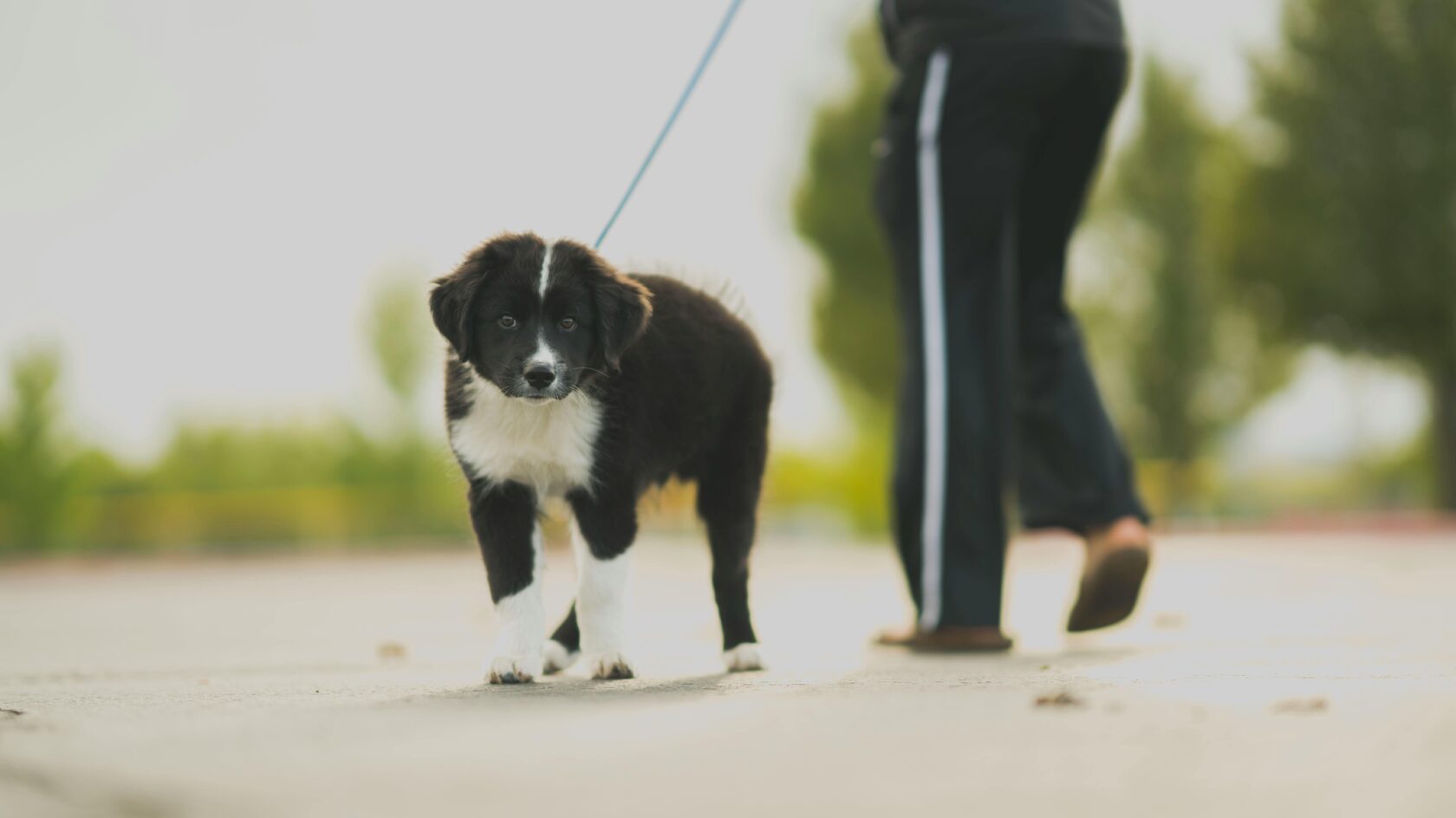
Young dogs respond best to small, soft treats that can be given quickly while learning basic commands. It's important that they're easy to chew and don't strain the developing digestive system.
For healthy, active dogs, both small training rewards and bigger chews that satisfy the natural need to chew work well.
Seniors often have more sensitive teeth and digestive systems. For them it's worth choosing soft, easy-to-chew treats with a simple composition. Regardless of the dog's age, proven dog treats that match its individual nutritional needs and any dietary restrictions work best.
The most common mistakes when preparing the bag
Many caregivers focus solely on food and accessories, forgetting the small details that significantly ease a dog's adjustment. The most common mistakes include: too little food or too few treats, no information about food allergies, packing new products the dog hasn't eaten before, leaving the petsitter without instructions on rewarding, and no favourite toys or items that smell of home. Avoiding these mistakes makes the stay go more smoothly, both for the pet and for the caregiver.
Summary
A well-prepared bag helps a dog settle into a new place more easily and reduces the stress of separation from its owner. Besides the basic accessories, it's worth taking care of well-chosen treats that will support walks, play and building a relationship with the petsitter. By choosing products matched to your pet's age, condition and nutritional needs, you increase the chances of a calm, safe and comfortable stay in the care of someone who will look after its everyday needs.