
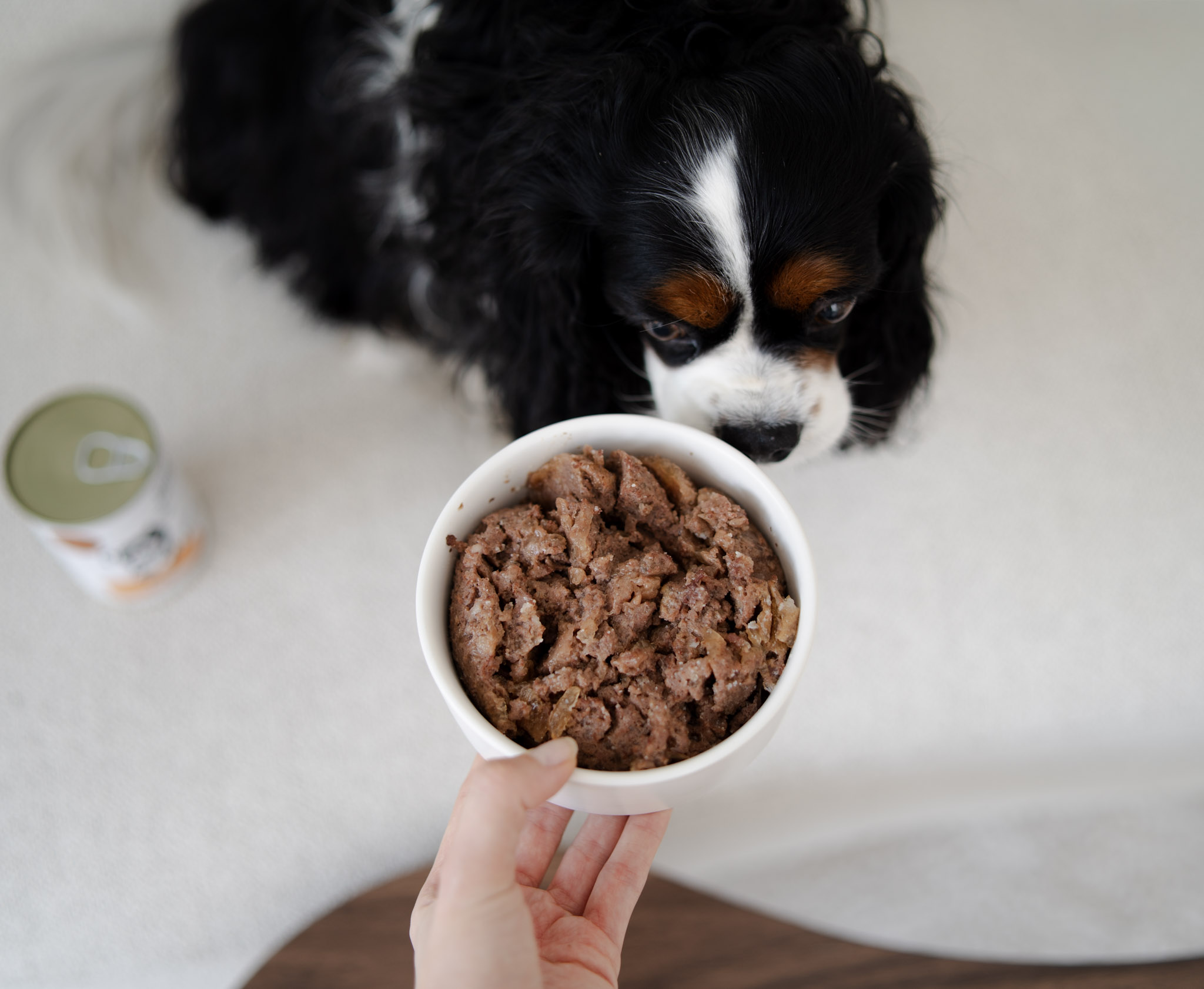
Single-protein foods, whose recipes use one source of animal protein, are worth considering in this situation. The choice should not be random: both the dog's previous diet and every product they receive matter. How should you choose a single-protein food, how does it differ from hypoallergenic food, and why must treats also be considered during an elimination diet?
Elimination diets for dogs — why is the protein source so important?
An elimination diet aims to control as precisely as possible what enters the dog's bowl. Depending on the chosen approach, the diet may use a selected protein source or a specialist food with hydrolysed protein. The animal's response is then observed for an agreed period.
When the diet is based on a selected protein, the dog's feeding history matters. It is not simply a question of replacing chicken with beef or lamb. You need to consider which meats and other animal proteins the dog has eaten before.
If a dog has long eaten beef food, chews and treats, beef does not qualify as a new protein source. Review the dog's previous diet before making a change.
How do you choose a protein source for your dog?
There is no single meat that is best for every dog. Chicken, turkey, beef, lamb, duck, rabbit and fish can all be valuable ingredients. What matters is how the individual dog responds and why the food is being used.
If the protein choice is part of an elimination diet, the dog's previous feeding history is the main consideration. Dry and wet foods matter, but so do treats, chews and products given only occasionally.
Look at the diet as a whole. Caregivers often discover that their dog has encountered more protein sources than they initially realised.
Is a less common protein source better for a dog?
Duck, rabbit and lamb are sometimes viewed as better meats for dogs with food sensitivities. The animal species alone does not determine whether a protein will be suitable.
The dog's previous exposure and individual response are more important. Do not choose a meat solely because it is less common or because of claims printed on the front of the packaging.
Single-protein dog foods — what is their advantage?
Single-protein dog foods can be useful when you need to limit the number of animal-protein sources. Their recipes contain one declared animal protein, making the composition of the overall diet easier to control.
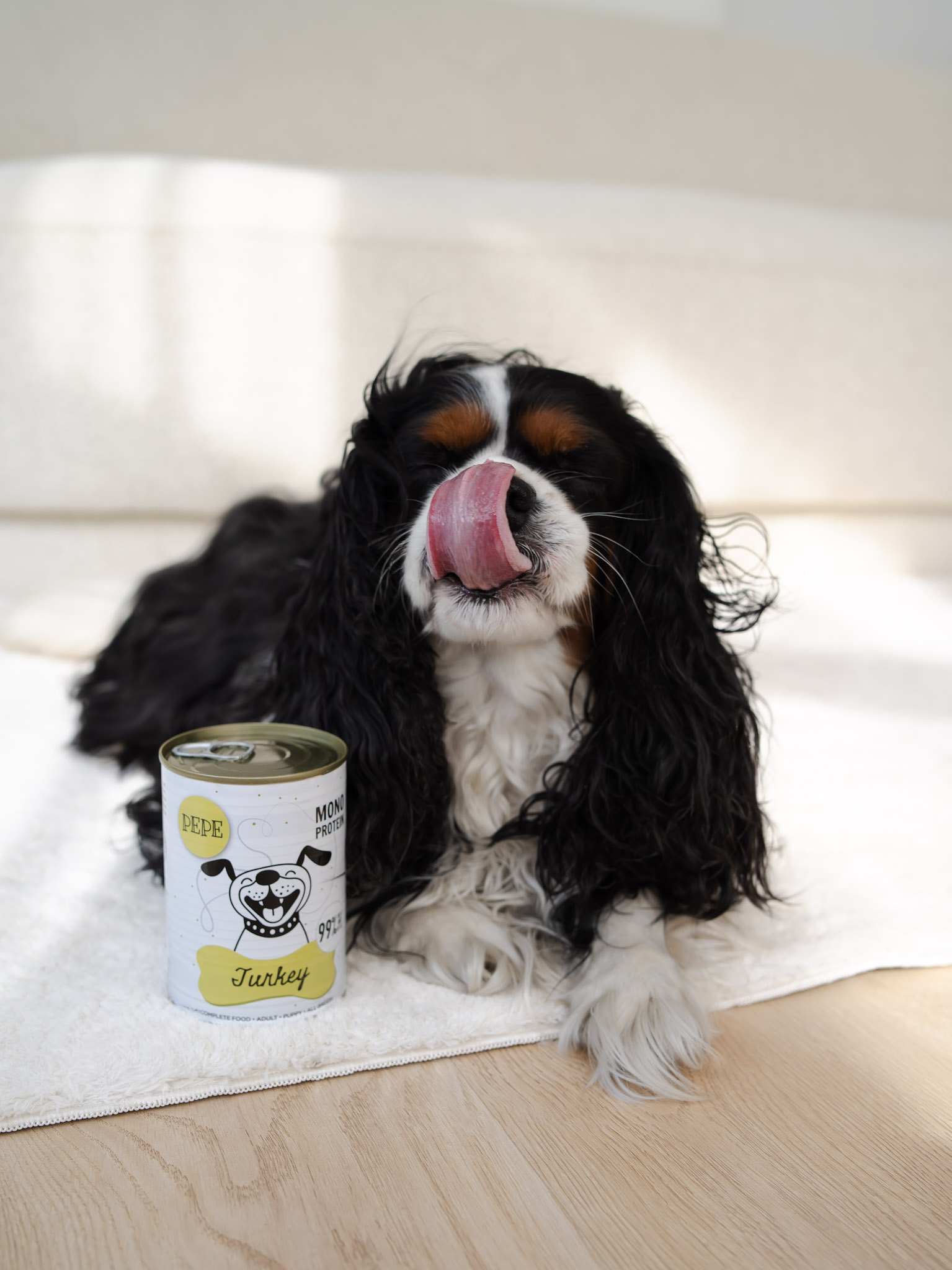
This does not mean that every single-protein food is automatically an elimination diet. The actual protein source and whether it fits the agreed feeding plan remain essential.
For example, a turkey-based single-protein food may have a simple recipe, but turkey is not a new protein if the dog has eaten it regularly before.
How do you read the ingredients of single-protein dog food?
Check the complete ingredient declaration rather than relying only on the flavour name.
Identify every animal-derived ingredient in the recipe and check whether the manufacturer states its origin precisely. This helps you control the diet consciously and reduces the risk of introducing another protein source unintentionally.
How do you monitor a dog's response to a chosen protein?
A dietary change should be accompanied by careful observation. You cannot assess the result from a single meal or one day.
Watch the digestive system, the condition of the skin and coat, and whether previously observed symptoms occur. If the diet is being used because of a suspected allergy or another adverse food reaction, agree its duration and the way results will be assessed with a veterinarian.
Consistency is essential. Introducing several new foods, treats and supplements at once makes it much harder to identify what actually affected the dog's response.
Dog treats — do they matter during an elimination diet?
It is easy to focus on the main food and forget that it forms only part of what a dog eats each day. Dog treats, chews and rewards used during walks and training can all provide additional proteins.

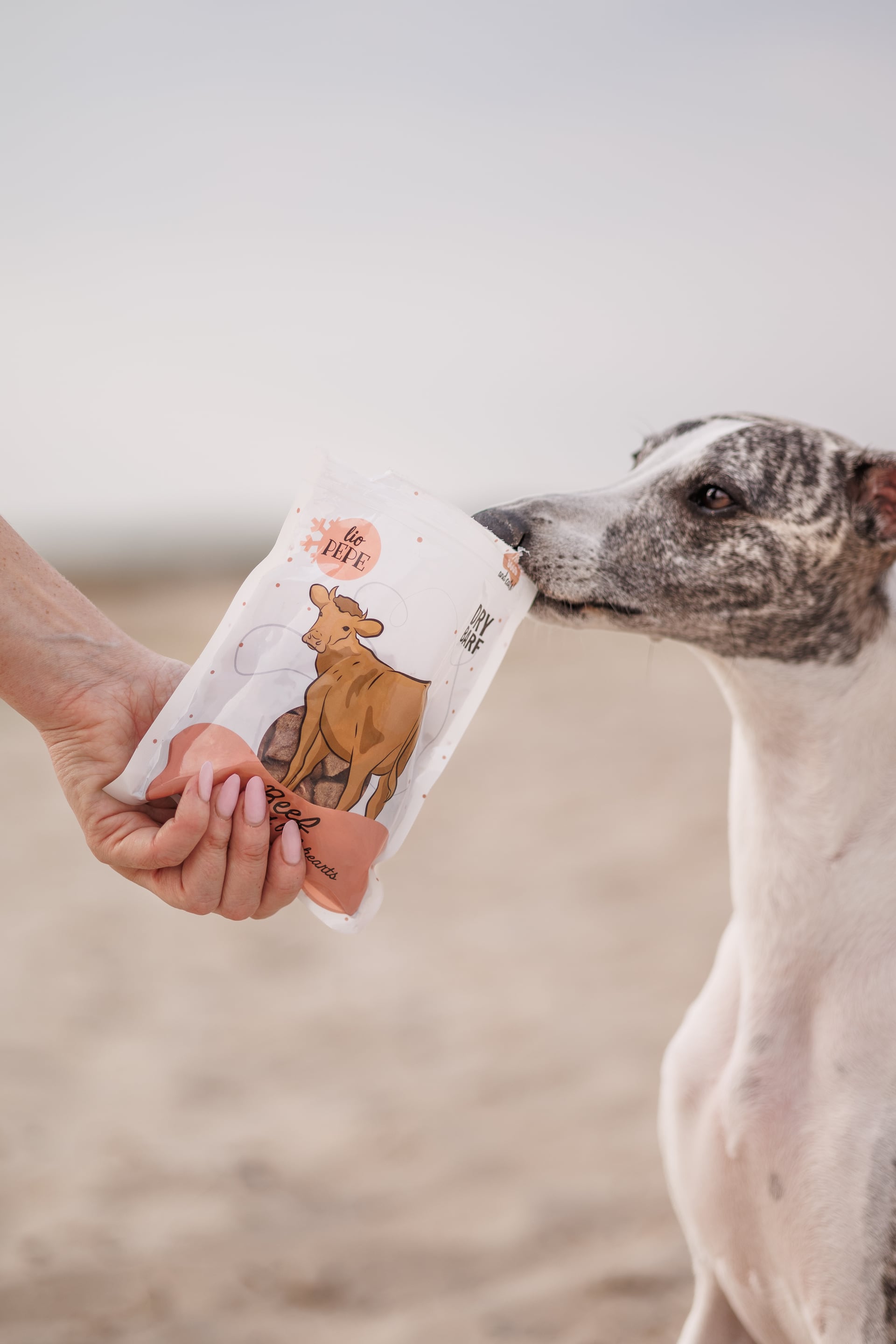
When particular protein sources are being controlled, the ingredients of these products matter too. A dog may eat chicken-free food while regularly receiving treats that contain poultry. In that case, chicken has not truly been excluded.
Changing the contents of the bowl is therefore not enough. The entire diet must be reviewed.
What about dog chews and rewards?
Check products that may initially seem unimportant. Chews, dental snacks and products used to give tablets can also contain animal protein.
If the dog stays with a petsitter, provide suitable treats in advance and explain clearly what the dog must not receive. This keeps the agreed diet consistent while the caregiver is away.
Hypoallergenic dog food — how does it differ from single-protein food?
Single-protein and hypoallergenic do not mean the same thing. The distinction is important, especially when the dog's specific needs are the reason for changing food.
Hypoallergenic dog foods are intended for animals that require a particular approach to dietary ingredients. Depending on the recipe, they may use carefully selected proteins or hydrolysed protein.
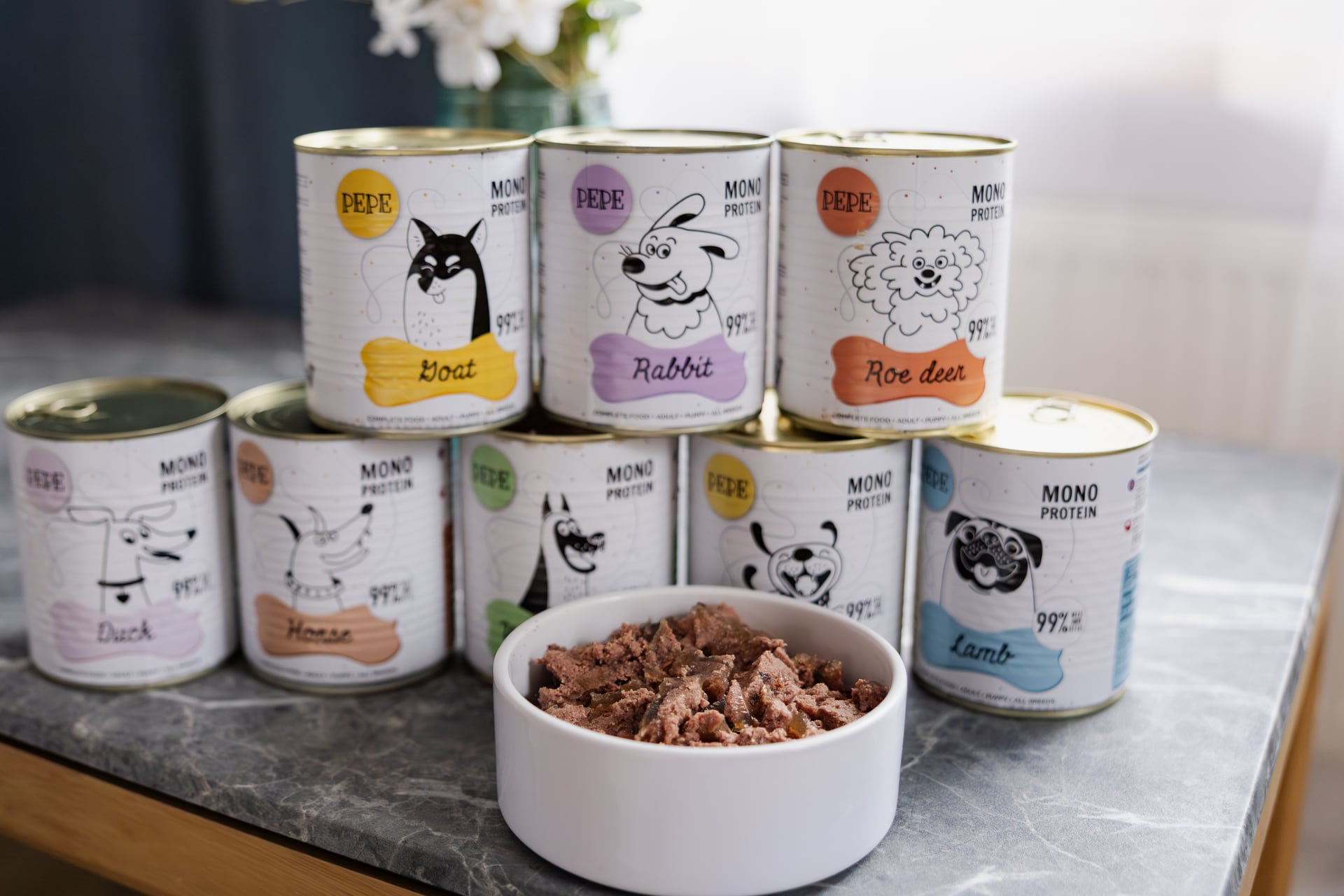
Single-protein food primarily indicates that the recipe is limited to one declared source of animal protein.
Do not base your choice solely on the words “single-protein” or “hypoallergenic”. The exact ingredients and the needs of the individual dog are what matter.
Single-protein or hypoallergenic dog food — which should you choose?
The answer depends on why the diet is changing. If the goal is to simplify the menu and limit protein sources, a carefully selected single-protein food may be practical.
When a food allergy is suspected, agree the procedure with a veterinarian. Depending on the situation, they may recommend a diet with a selected protein source or a specialist hydrolysed-protein diet.
Do not change foods independently every few weeks and eliminate different meats one after another. This can make it harder to determine which ingredients the dog actually tolerates.
A dog's diet with a petsitter — why should the existing rules stay in place?
Care by another person should not mean changing the dog's diet. This applies to every dog and is particularly important when the menu has deliberately been limited to specific ingredients.
The owner should provide the petsitter with the dog's food and feeding instructions. If rewards are allowed, prepare approved treats as well.
The petsitter then does not have to guess whether a particular snack is safe. During an elimination diet, even an accidental treat containing another protein can disrupt the process.
The most common mistakes when choosing a protein source for a dog
A common mistake is assuming that choosing food with a different meat is enough. First check whether the dog has already had regular contact with that protein source.
Another problem is considering only the main food while overlooking treats, chews and other additions.
The most important rules include:
- analyse the dog's entire diet, not only the main food,
- check the complete ingredients of every product,
- avoid making several dietary changes at once,
- follow the agreed diet consistently,
- consult a veterinarian about a diagnostic elimination diet.
Summary — how do you choose a protein source for your dog?
Start by reviewing what the dog has eaten before and why the diet is changing. No single meat suits every animal: individual tolerance and the complete food recipe both matter.
Consistency and observation are especially important during an elimination diet. When a protein source is chosen, control not only the contents of the bowl but also treats, chews and every other part of the menu.
Single-protein foods can make the diet easier to organise, while hypoallergenic foods are a separate category with a specific purpose. The label on the packaging matters less than making an informed choice that suits the individual dog.