- Ancestors: small English bulldogs known as toy bulldogs.
- Where the distinct breed developed: France.
- Purpose: a companion dog, rather than a miniature athlete.
Where does the French Bulldog come from?
The breed has English roots, but its distinct French type developed across the Channel. The American Kennel Club describes small bulldogs as popular companions of Nottingham lace workers. When craftspeople moved to France in the nineteenth century, they took their dogs with them.
A question about origins can mean two things: where the ancestors came from and where a separate breed took shape. The name does not mean every stage happened in France. Equally, English ancestry does not make today’s French Bulldog simply a smaller version of the modern English Bulldog.
Why was the French Bulldog bred?
The short answer is companionship. The FCI places French Bulldogs in its Companion and Toy Dogs group. Their development reflected an interest in a small dog that lived alongside people, rather than a breed intended for sustained athletic work or herding.
It helps to be careful with the word “created”. Breeds developed over generations through breeders’ choices and changing human preferences. There does not have to be a single date or working task that explains the whole story. A companion dog also had a meaningful place in its owners’ daily lives.
What happened in France?
The FCI standard records the main milestones of the breed’s development in France. Registration and recognition came after the first dogs of this type.
- 1880s: the French type develops in working-class Parisian neighbourhoods.
- 1880: the first breed club is founded in Paris.
- 1885: the first registrations.
- 1898: the first standard and recognition by the Société Centrale Canine.
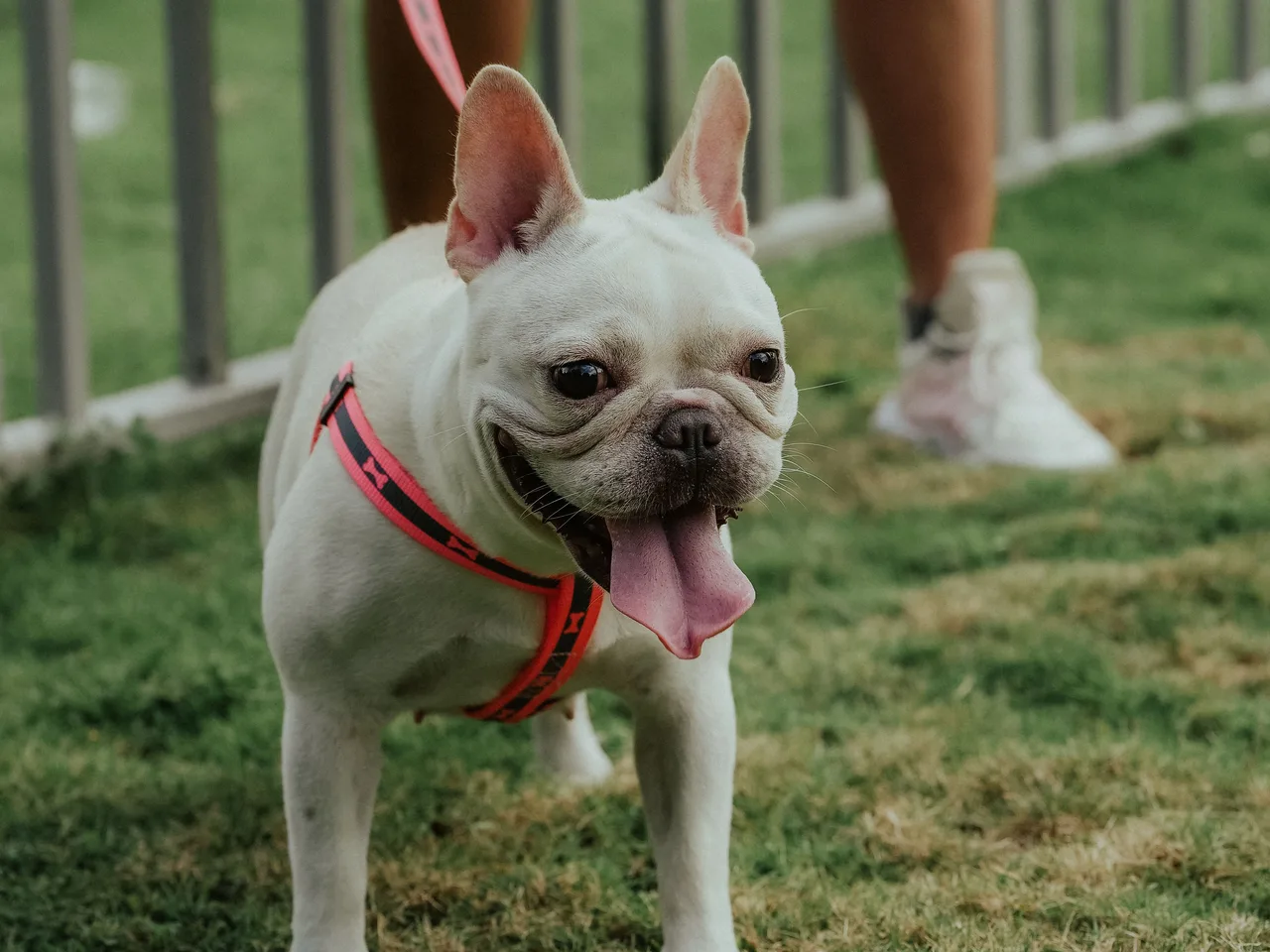
The French Bull Dog Club of America’s history also traces the little bulldog’s passage from ordinary Parisian homes into fashionable society. Later American interest helped establish upright “bat ears” as a defining feature of the breed.
Which breeds contributed to the French Bulldog?
Small English bulldogs, known as toy bulldogs, are regarded as the starting point. The precise contribution of other dogs to subsequent crosses is less well documented. A popular story naming an exact mixture of two modern breeds should therefore not be presented as a proven pedigree.
There is an important difference between a population’s history and an individual dog’s pedigree. Modern breed names do not always correspond to earlier types of dog. When you see a simple “breed A plus breed B equals French Bulldog” diagram, check whether it is supported by records or repeats an appealing theory.
Was the French Bulldog a fighting dog?
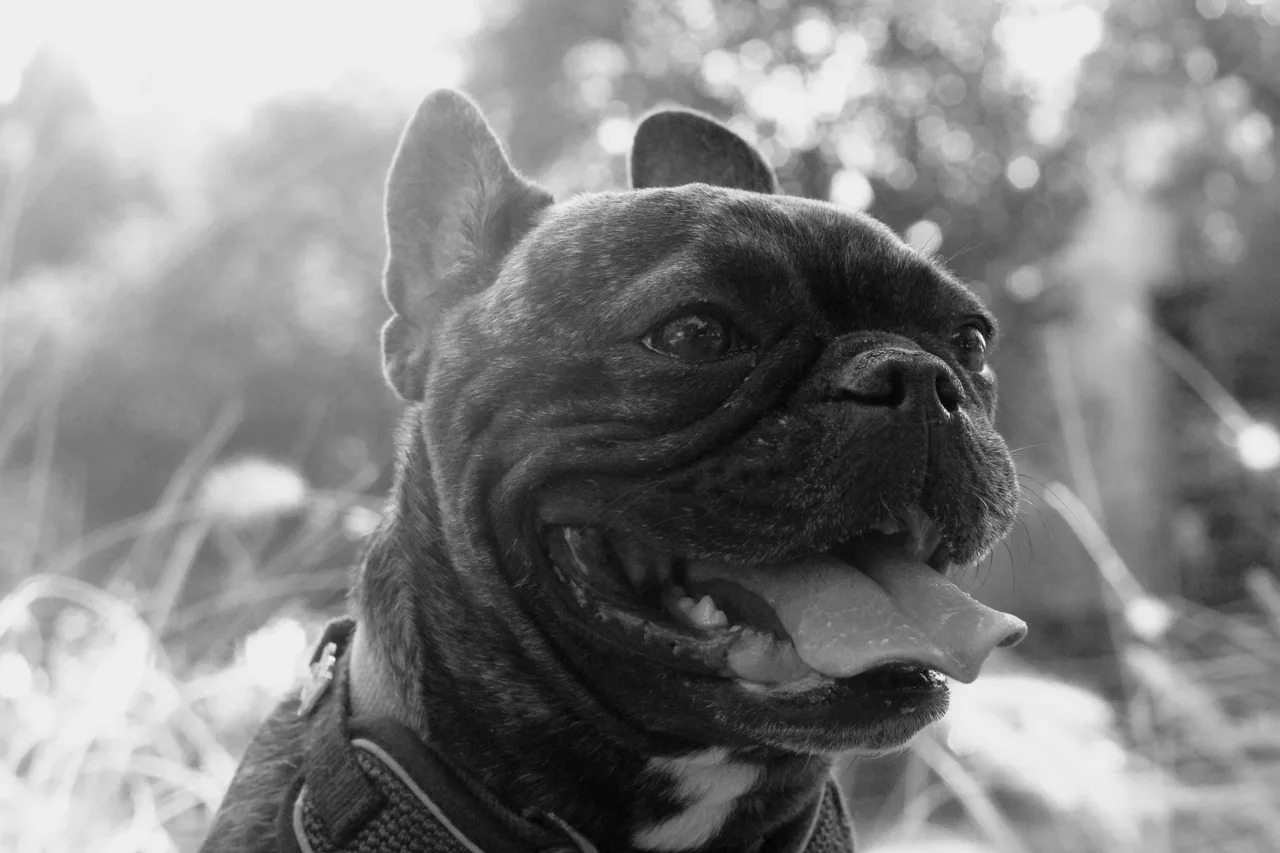
The French Bulldog’s purpose should not be confused with the history of older bulldogs used in bull-baiting. That concerns its ancestors, rather than the role for which the French companion breed developed. The shared word in their names can cause confusion.
Breed history is not a diagnosis of an individual dog’s behaviour either. It cannot promise that every Frenchie will be patient with children, enjoy unfamiliar dogs or cope easily with being alone. Before adopting or buying, ask about the actual animal, its experiences and its needs instead of relying on a breed slogan.
What does this history mean for an owner?
The companion role is a useful starting point for planning life together, but it does not replace getting to know your dog. Make time for walks, learning to settle and gradual practice with separation. Being small does not mean a dog needs no attention or daily activities.
The short muzzle deserves separate attention. The Royal Veterinary College warns that noisy breathing at rest or during light exercise should not be treated as a normal breed characteristic. These signs need veterinary assessment.
Before booking care, prepare a short set of instructions for your sitter.
- Describe your usual times for walks, meals and rest.
- Share current veterinary advice and your clinic’s contact details.
- Explain how your dog responds to other animals and separation.
- Arrange a first meeting to demonstrate the daily routine.
If you are still choosing a dog, read our guide to matching a breed to your lifestyle. When you need to be away, explore dog care with Alvis and discuss your particular dog’s needs before booking.
Common questions about French Bulldog origins
Does the French Bulldog come from France or England?
Its roots are English, while the distinct breed type developed in France. These facts complement each other rather than conflict.
Who created the French Bulldog?
It is not attributed to one person. Development involved many generations and different breeders.
Does “companion dog” mean a dog that needs no exercise?
No. The classification describes the breed’s purpose. Daily activity still needs to suit the individual dog’s age, health and abilities.
Based on
American Kennel Club — French Bulldog; FCI — standard no. 101; French Bull Dog Club of America — breed history; Royal Veterinary College — guidance on breathing in flat-faced dogs.