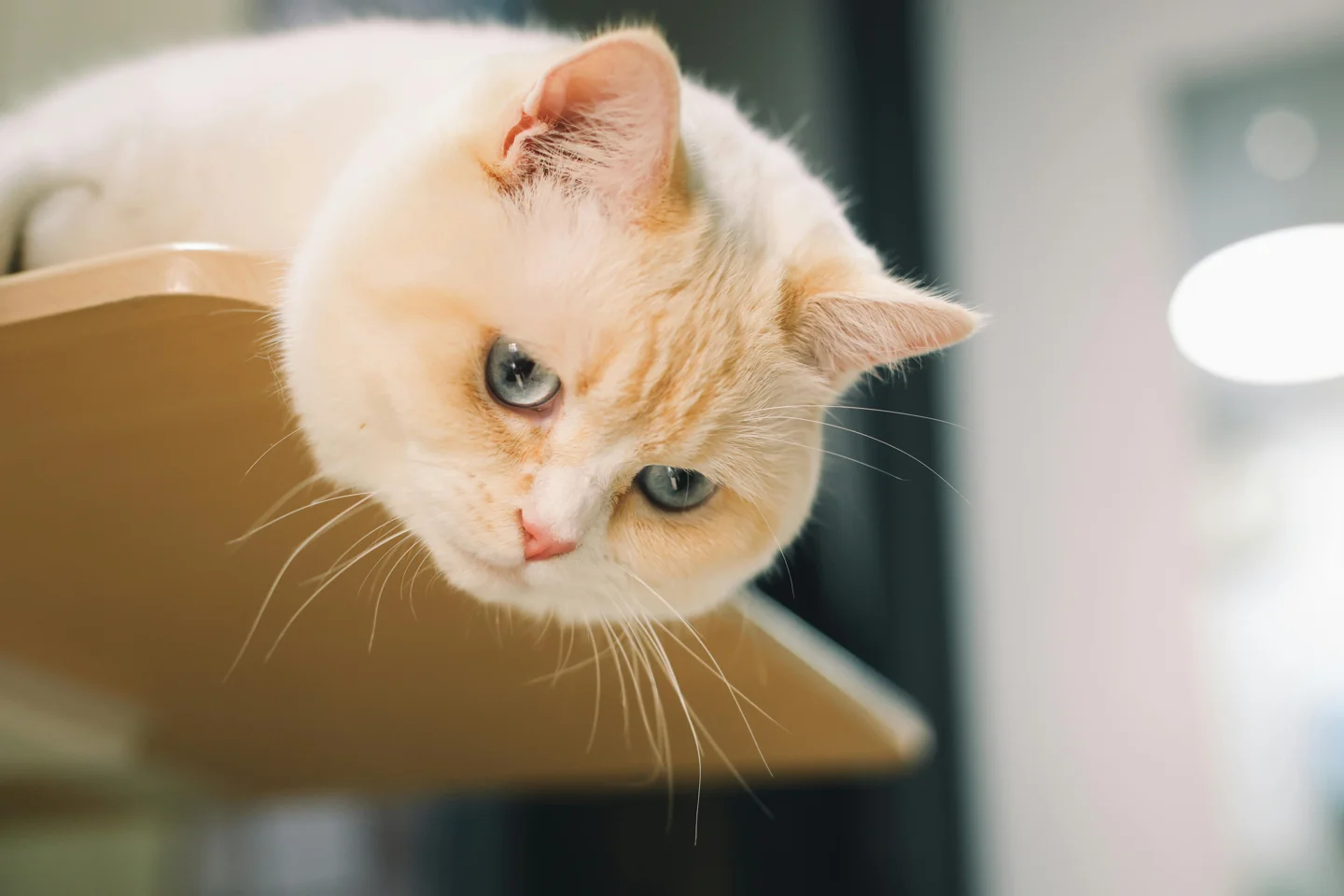
Look at it from your cat’s perspective
Choosing a litter box is about more than appearance or convenience. A cat needs room to turn around, dig and leave comfortably. Size, litter, location and cleanliness all affect how readily the cat uses its toilet.
Our job is to provide these conditions at home. A small box, a noisy location or infrequent cleaning can put a cat off. However, do not assume that toileting outside the box is only an equipment or behaviour problem: health needs checking too.
Start with the size
A useful starting point is a box at least 1.5 times the cat’s length, measured from nose to the base of the tail. The usable interior matters: the cat should be able to stand, turn and adopt a comfortable position. A large outer shell does not necessarily mean a spacious floor.
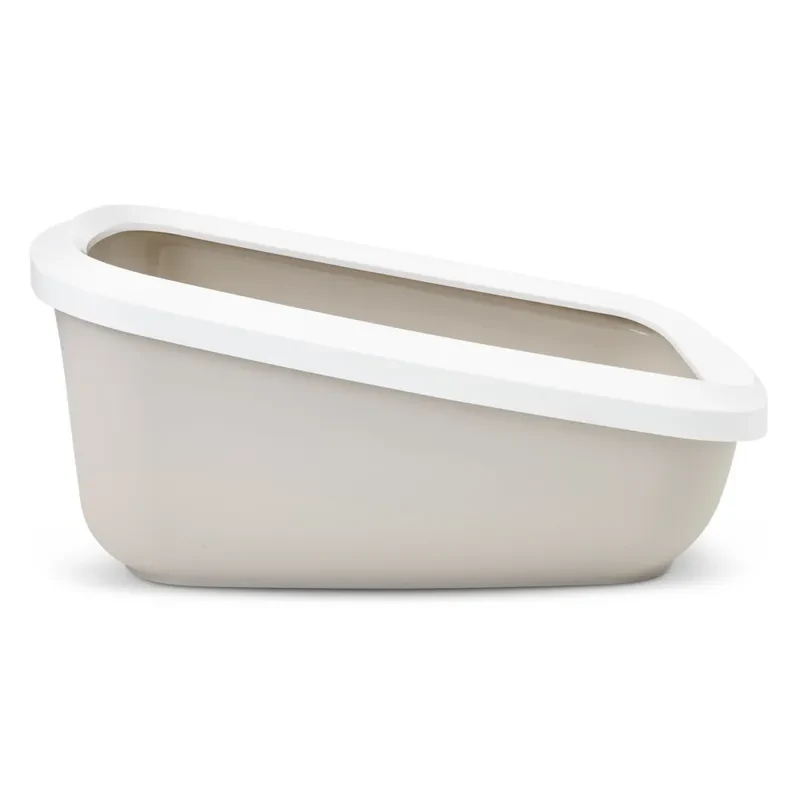
Choose a stable box with a broad base that does not narrow excessively. Kittens, older cats and cats with reduced mobility need easy access. High sides may contain litter, but the entrance should not demand a difficult jump.
Open or covered?
An open box lets a cat see its surroundings and leave easily. It also makes it easier for you to notice when cleaning is needed. Provide digging space and a litter depth your cat likes. Around 3–4 cm can be a starting point, rather than a fixed minimum for every cat.
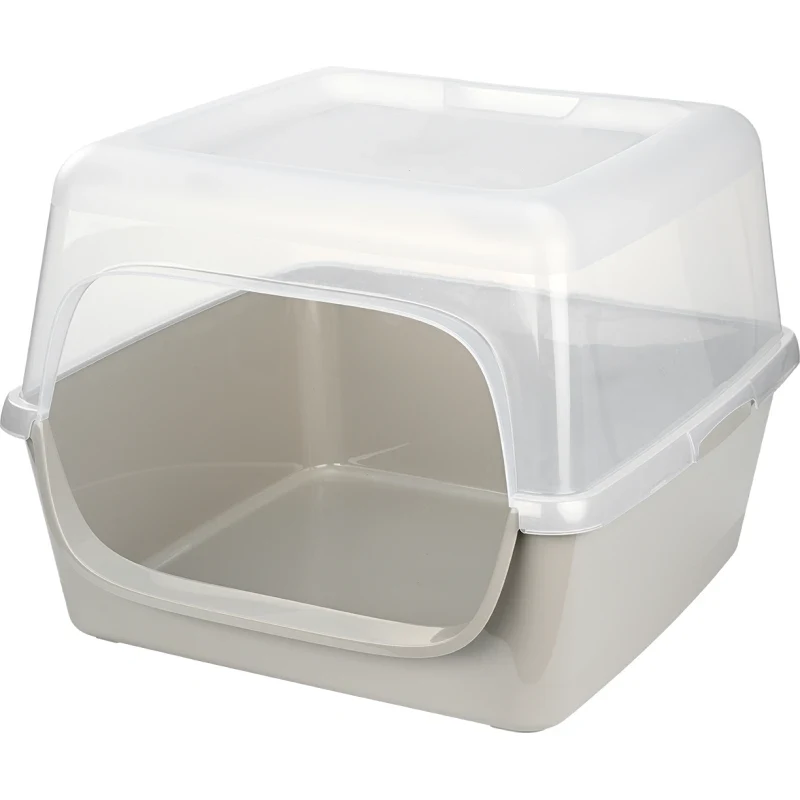
Some cats accept a covered box, but it must be spacious and well ventilated. A flap can get in the way: see whether your cat prefers an entrance without it. Neither a filter nor a lid replaces cleaning. Watch your cat’s choice rather than assuming it wants human-style privacy.
Examples to compare before buying
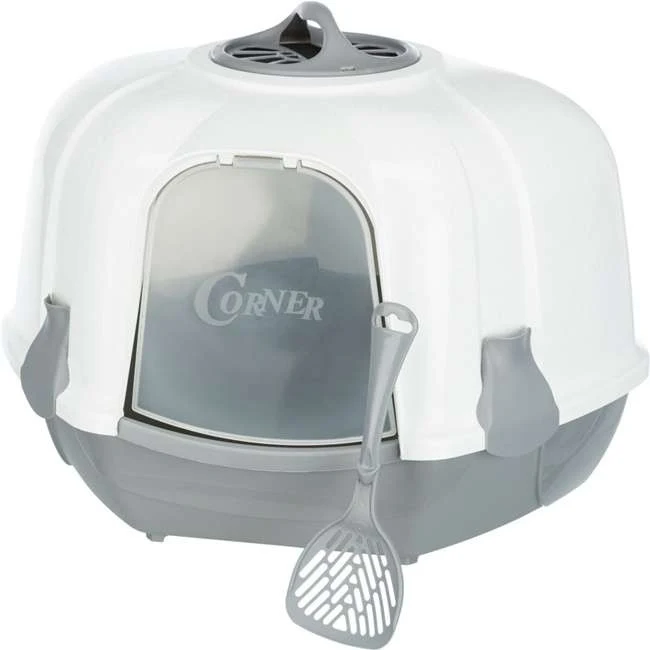
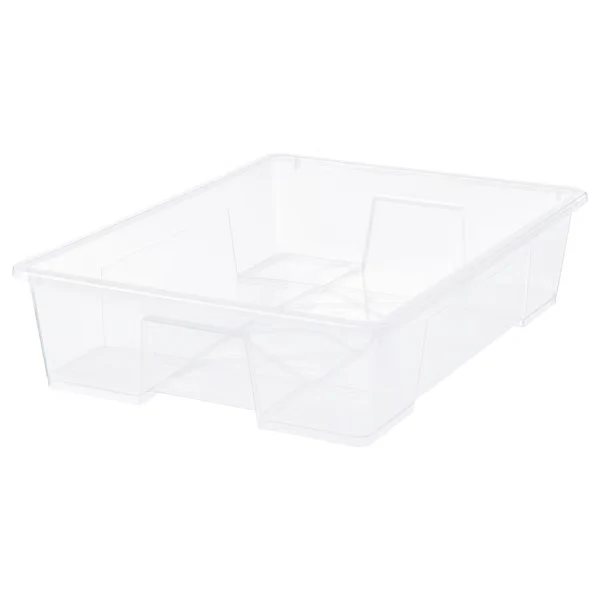
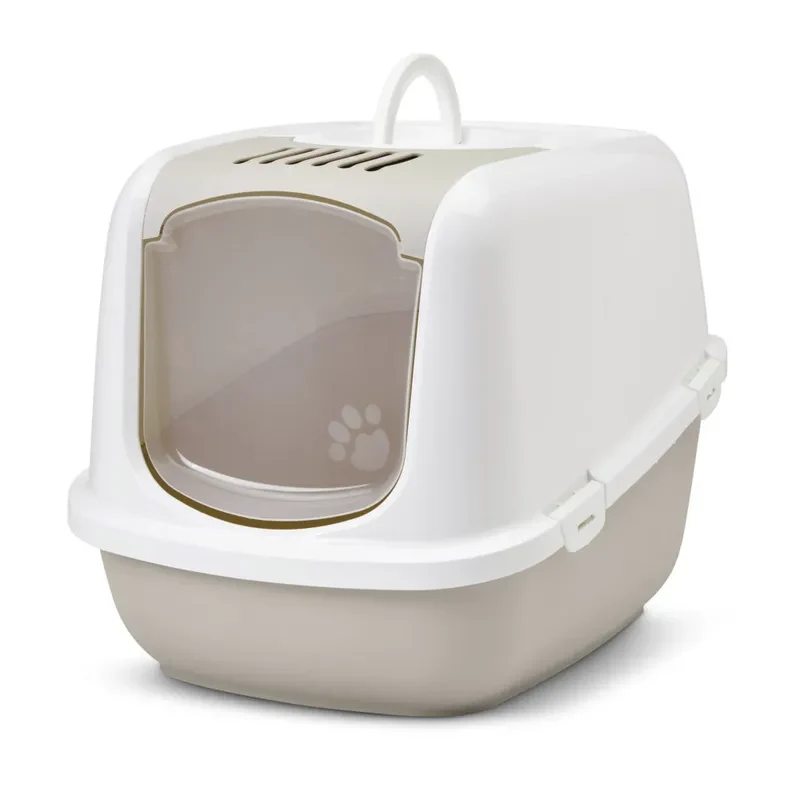
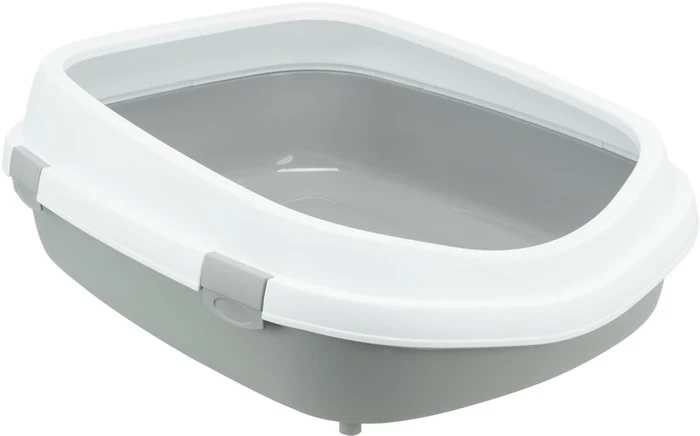
Doriana’s original selection includes AniOne Senior, Savic Aseo XXL, TRIXIE Maro Corner, an IKEA SAMLA container, Savic Nestor Jumbo and Trixie Primo XXL. These are models to investigate, not a guarantee that each suits your cat.
Check the current internal dimensions, entrance height and ease of cleaning. A storage container can serve as a large open tray without its lid, provided the cat can step in comfortably. For covered models, check headroom and whether the flap can be removed.
Location: it does not have to be the bathroom
A suitable spot is quiet, always accessible and allows the cat to leave without squeezing past obstacles. Avoid busy walkways and washing machines, dryers or other noisy appliances. Closing a room door must not cut off access.
A bathroom can work if it meets these conditions. Do not choose it simply because the box is less visible there. Keep the tray away from food and water bowls. In a multi-storey home, provide a box on each floor the cat uses.
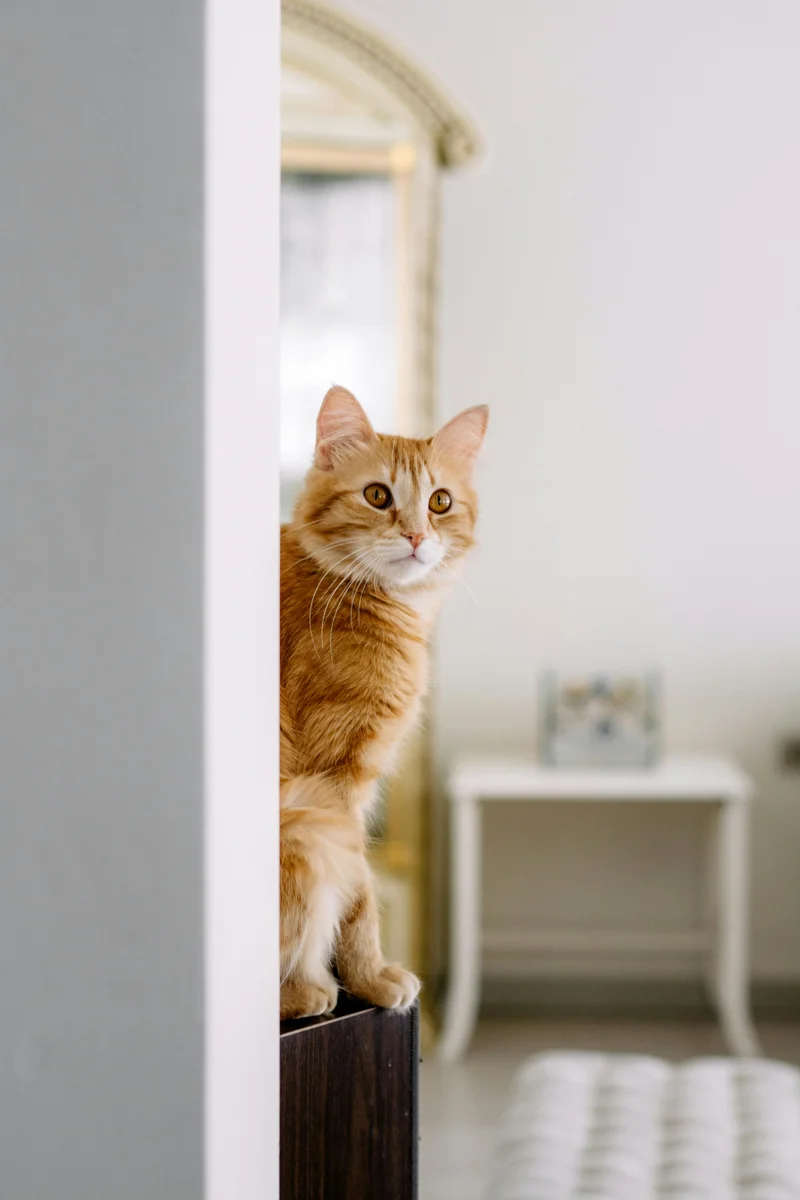
Several cats need several locations
A practical starting point is one box per cat plus an extra, distributed around the home. Putting every box side by side does not provide the same choice as separate locations.
Social groups matter too: these are cats that accept one another and feel safe together. Not every cat in a household belongs to one harmonious group. Check whether one guards a passage or blocks another’s access. Adjust box numbers and locations to these relationships.
Everyday cleaning
Remove waste and clumped litter at least daily, preferably more often. Empty and wash the box regularly with a mild, unscented cleaner, then rinse and dry it thoroughly. Full replacement depends on the litter, number of cats and soiling. As a guide, assess the need for washing every 1–2 weeks and wash sooner when dirty.
A strong detergent scent does not mean better hygiene. Look for scratches, damage or odour that persists after washing. Replace a worn-out box; reaching its first birthday is not the only criterion. Cats value cleanliness, so your daily routine matters.
Which designs deserve caution?
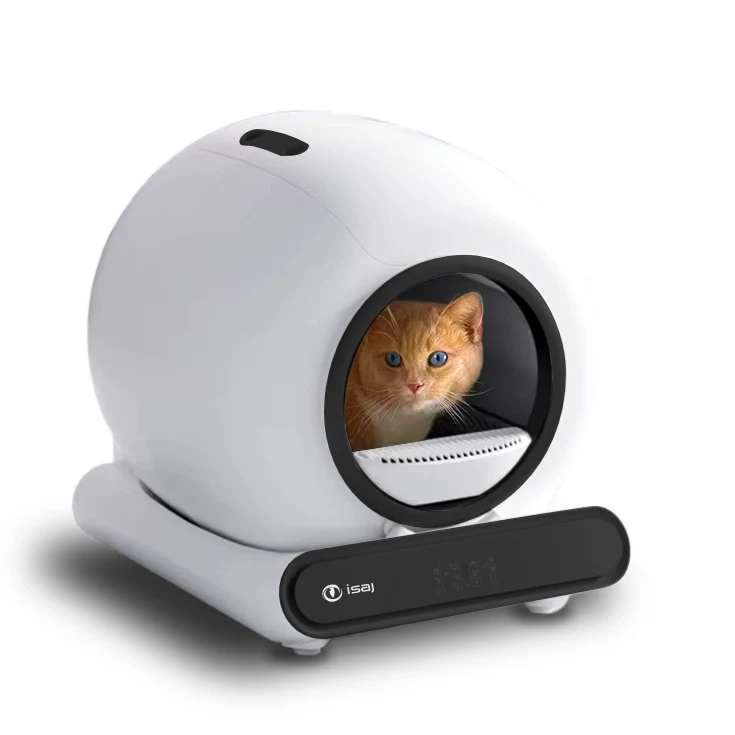
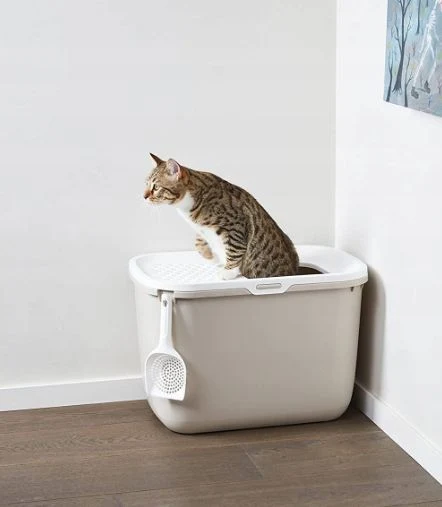
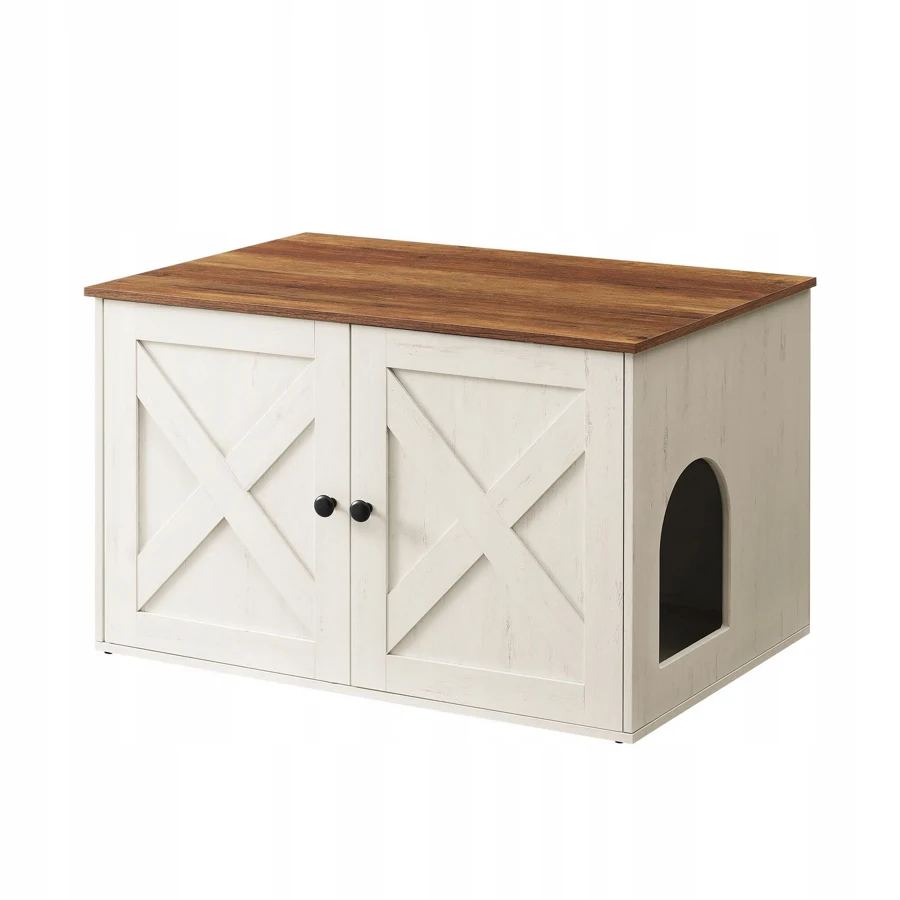
Automatic boxes: human convenience should not outweigh usable space, easy access or the cat’s response to movement and noise. Check the instructions, manufacturer’s restrictions and safety features of the specific model. Automation does not replace checking cleanliness or whether the cat uses the box.
Top-entry boxes require jumping. They are a particularly difficult choice for an older cat or one with mobility problems. If your cat hesitates or avoids the box, offer an easily accessible alternative.
Boxes hidden in furniture: a cabinet must not restrict movement, trap smells or make leaving difficult. Allow enough room, ventilation and easy cleaning access. Slatted doors can help airflow, but cannot fix a cramped enclosure.
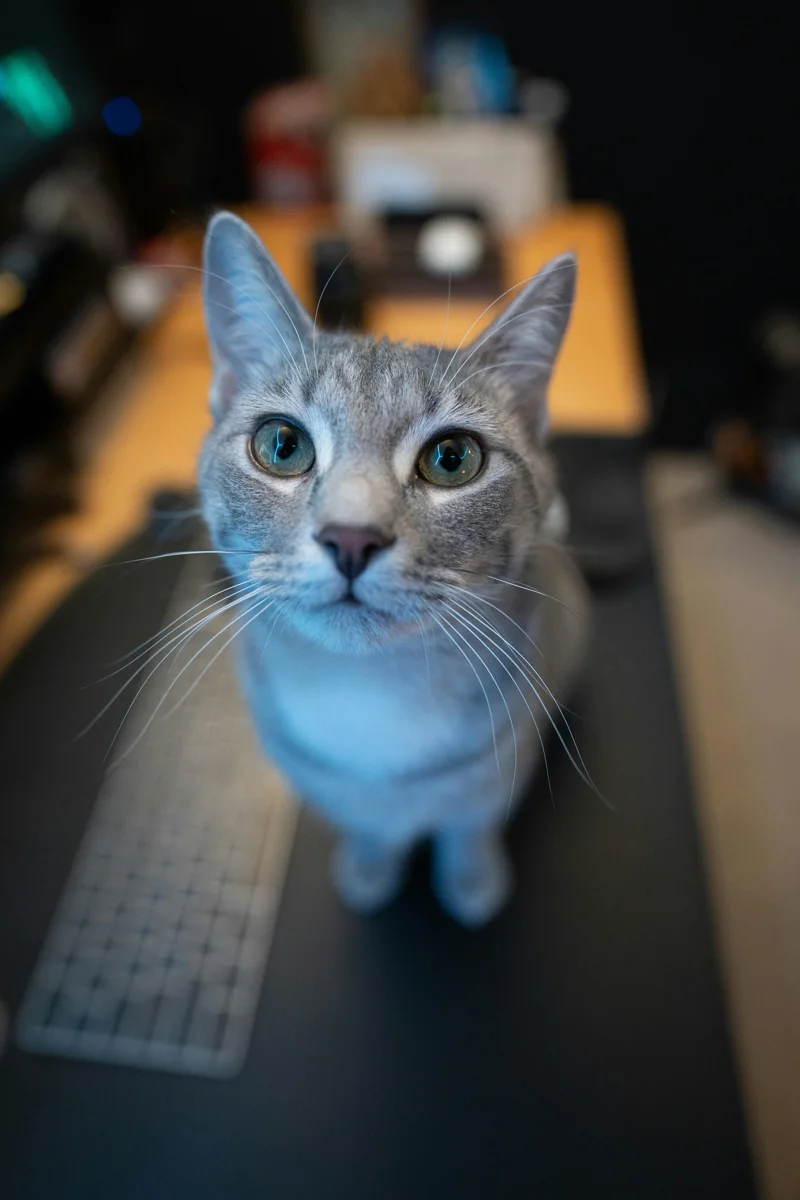
Having litter box difficulties?
If your cat starts toileting outside the box, eats litter or suddenly behaves differently, begin with a veterinary consultation. Pain and illness can affect toileting. Repeated attempts to urinate without producing urine require urgent veterinary attention.
Once health has been considered, look at the space, routine and relationships between cats. A consultation with Doriana Cimo can help you examine these factors and develop changes suited to your home.
Consultations with Doriana Cimo
Online behaviour consultation — 180 zł. The meeting lasts 1.5–2.5 hours. It includes reviewing your questionnaire beforehand, discussing the home and routine, a detailed action plan, follow-up after 2–3 weeks and the opportunity to ask questions in between.
Mini-consultation — 80 zł for 30 minutes. This offers focused advice on one issue, without a full behavioural assessment. It can help with preparing a cat for a move, arranging the home, providing enrichment or considering a second cat.
Check the box through your cat’s eyes
An easy entrance, room to turn and dig, a quiet location, reliable access and cleanliness: start here. Observe your cat after adjustments and avoid changing everything at once. A suitable litter box should make the cat’s daily life easier, not simply match your furniture.
About the author
Doriana Cimo is a cat behaviourist and zoopsychologist specialising in cats. She helps caregivers understand their pets’ behaviour and improve their living environment. This guide is based on her original article, edited and fact-checked by Alvis.