
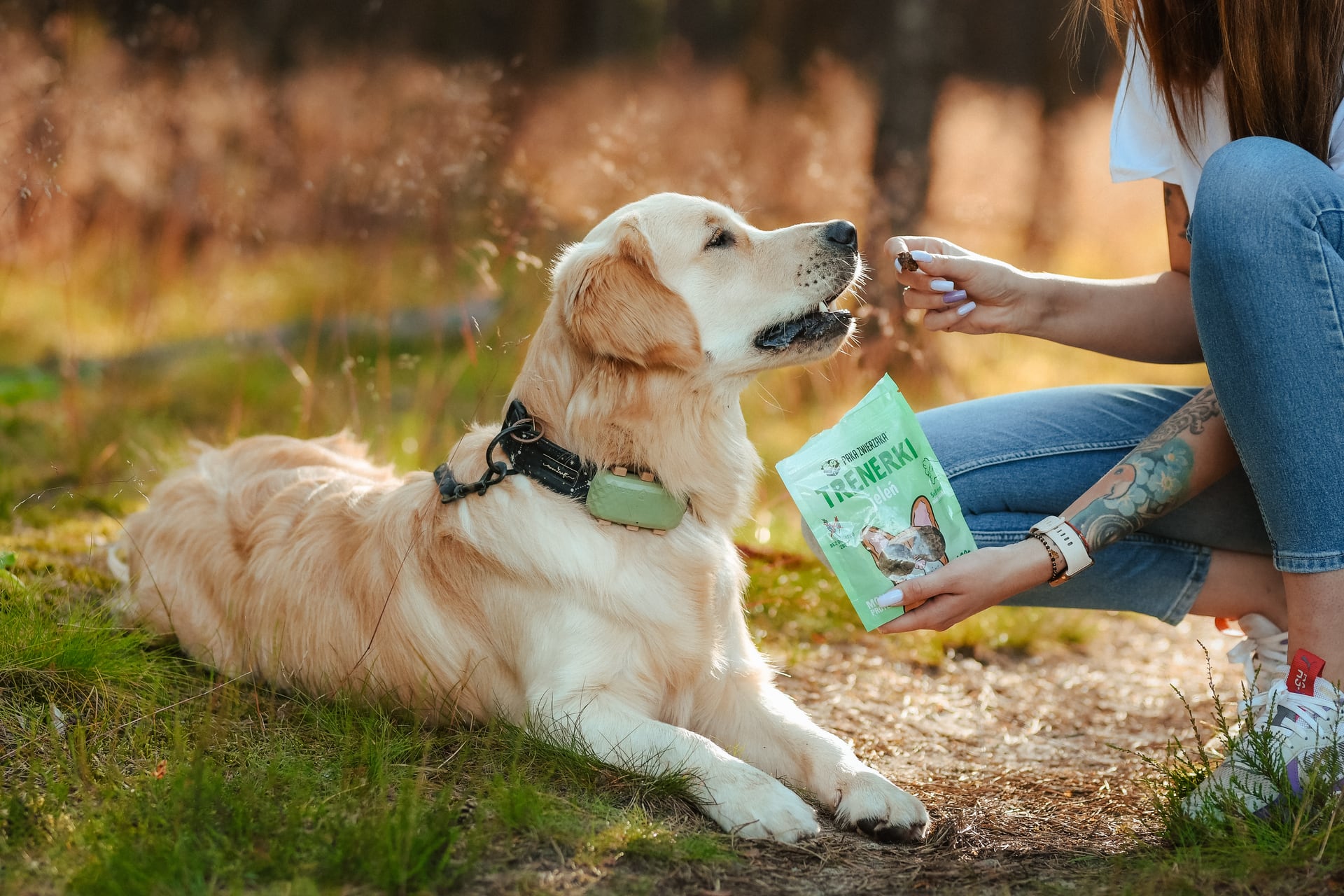
A thoughtful approach to rewards makes new commands easier to learn and helps reinforce skills your dog already knows. It is worth understanding which treats to use, when to offer them and how to use them wisely so they support learning rather than become a condition for following every cue.
Dog treats in training — why are rewards important?
A reward helps a dog understand which behaviour produced the desired result. When a response is followed by something the animal values, the dog is more likely to repeat that behaviour in a similar situation.
That is why rewards are used both for basic cues and for more complex exercises. They can help teach recall, loose-leash walking, calm waiting and focusing attention on the caregiver.
A reward does not always have to be food. Play, praise, permission to continue sniffing or access to a favourite toy can also be valuable. Treats do have one important advantage: they can be delivered quickly, making it easier to connect the reward with a specific behaviour.
Training treats for dogs — how should you reward your dog?
Timing is crucial during training. The dog should receive the reward as soon as possible after performing the behaviour you want to reinforce. If several other things happen before the treat appears, the dog may struggle to understand exactly what earned the reward.
Imagine teaching the cue “sit”. The dog sits, then stands up, approaches the caregiver and only then receives a treat. The intention was to reward sitting, but the connection between that behaviour and the reward may no longer be clear to the dog.
A short marker for the correct response can help. This may be an agreed word such as “yes” or the sound of a clicker. It marks the precise moment when the dog performed the task correctly.
Should the dog see the treat before or after following the cue?
At the beginning, a treat can help guide the dog into the right position. It should not, however, remain a visible payment for every completed task.
If the caregiver shows food before every cue, the dog may begin responding mainly to the sight of it. When no treat is visible, motivation to perform a familiar task may decrease.
As training progresses, food lures should gradually be phased out. Ultimately, the dog should respond to the established cue and receive the treat as a reward for the correct behaviour.
How do you choose good training treats for dogs?
The best training treats are easy to deliver quickly and divide into small portions. This is especially important when teaching a new behaviour, because a dog may receive several or even a dozen rewards during a short session.
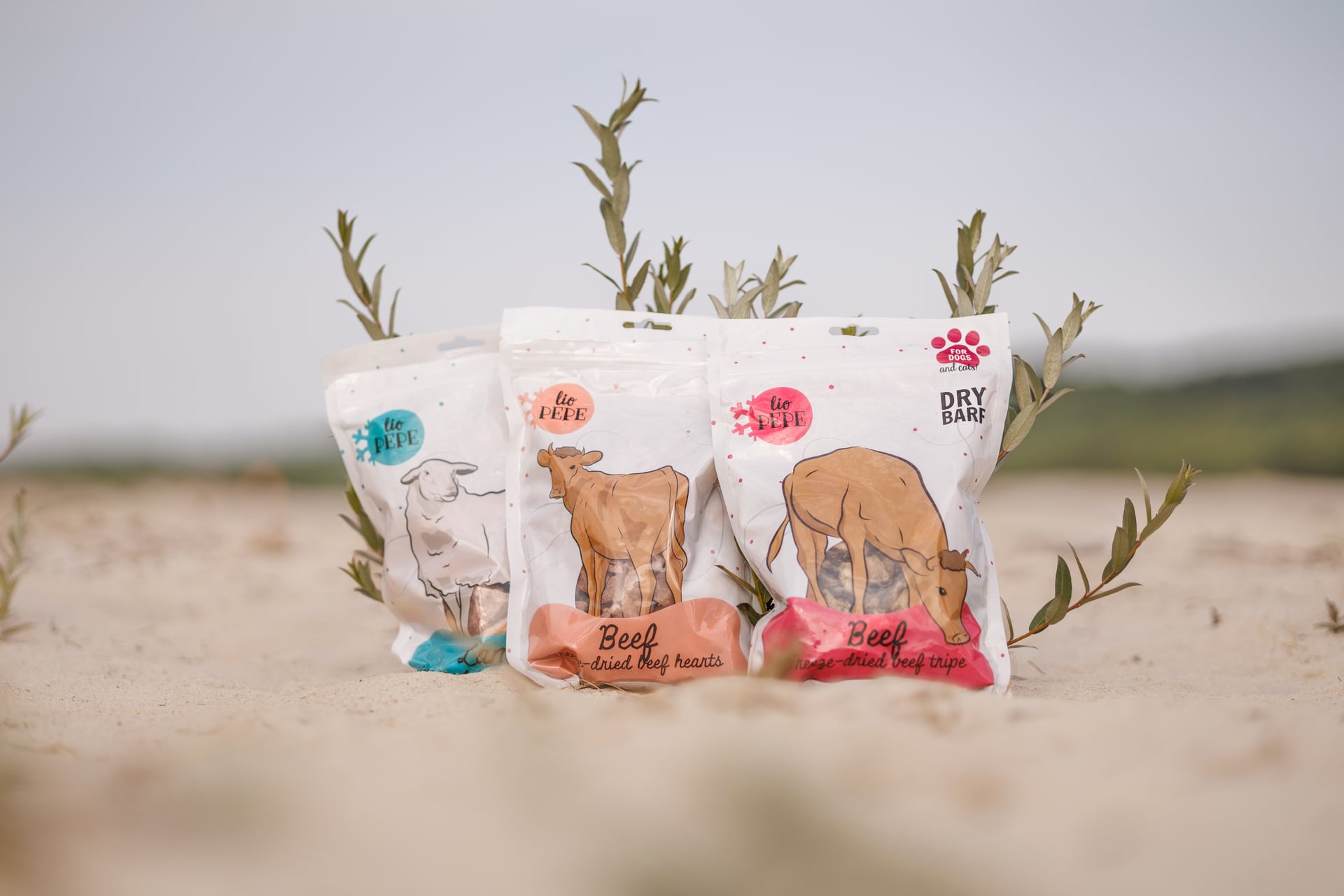
A treat should not interrupt the exercise unnecessarily. If the dog spends a long time chewing a large, hard piece, it becomes difficult to keep repetitions flowing. Small bites that can be eaten quickly are usually more convenient during training.
When choosing treats, pay particular attention to:
- their size and whether they can be divided,
- a texture that is quick and easy to eat,
- ingredients suited to the dog's nutritional needs,
- a taste and smell that appeal to the individual dog.
There is no single type of treat that suits every dog. Something one animal considers exceptionally valuable may be of little interest to another.
How should treats match the difficulty of training?
The value of the reward should match the difficulty of the task. Following a familiar cue in a quiet home is very different from doing it in a park surrounded by other animals and interesting smells.
For an easy exercise, an ordinary treat or part of the dog's daily food may be enough if the dog is happy to work for it. Save more attractive treats for new behaviours and situations that demand greater focus.
Recall is a good example. Returning to the caregiver in a quiet place requires less effort than leaving a game with another dog. In the second situation, a more valuable reward can help build a stronger response to the recall cue.
Training with treats — how do you increase the difficulty gradually?
A common mistake is expecting a behaviour learned at home to work equally well everywhere immediately. A change of environment can make the task significantly more difficult.
At home, a dog usually faces few distractions. Outdoors there are new smells, people, cars, bicycles and other animals. Focusing on the caregiver in these conditions requires more effort.
Increase the demands gradually. First reinforce the behaviour in a quiet place, then introduce small distractions and finally move the exercise to a more challenging environment.
If the dog stops performing a familiar task in new conditions, it does not necessarily mean they have forgotten it. The exercise may simply have become too difficult. Lower the requirements briefly and build up again.
Puppy treats — how should you reward a young dog during training?
Teaching a puppy is not limited to basic cues. Every day, a young dog learns how the household works and which behaviours the caregiver expects.
Reward more than sitting or coming when called. Calm waiting before going outside, responding to a name, turning attention to a person and staying relaxed while a harness is fitted are all useful moments to reward.
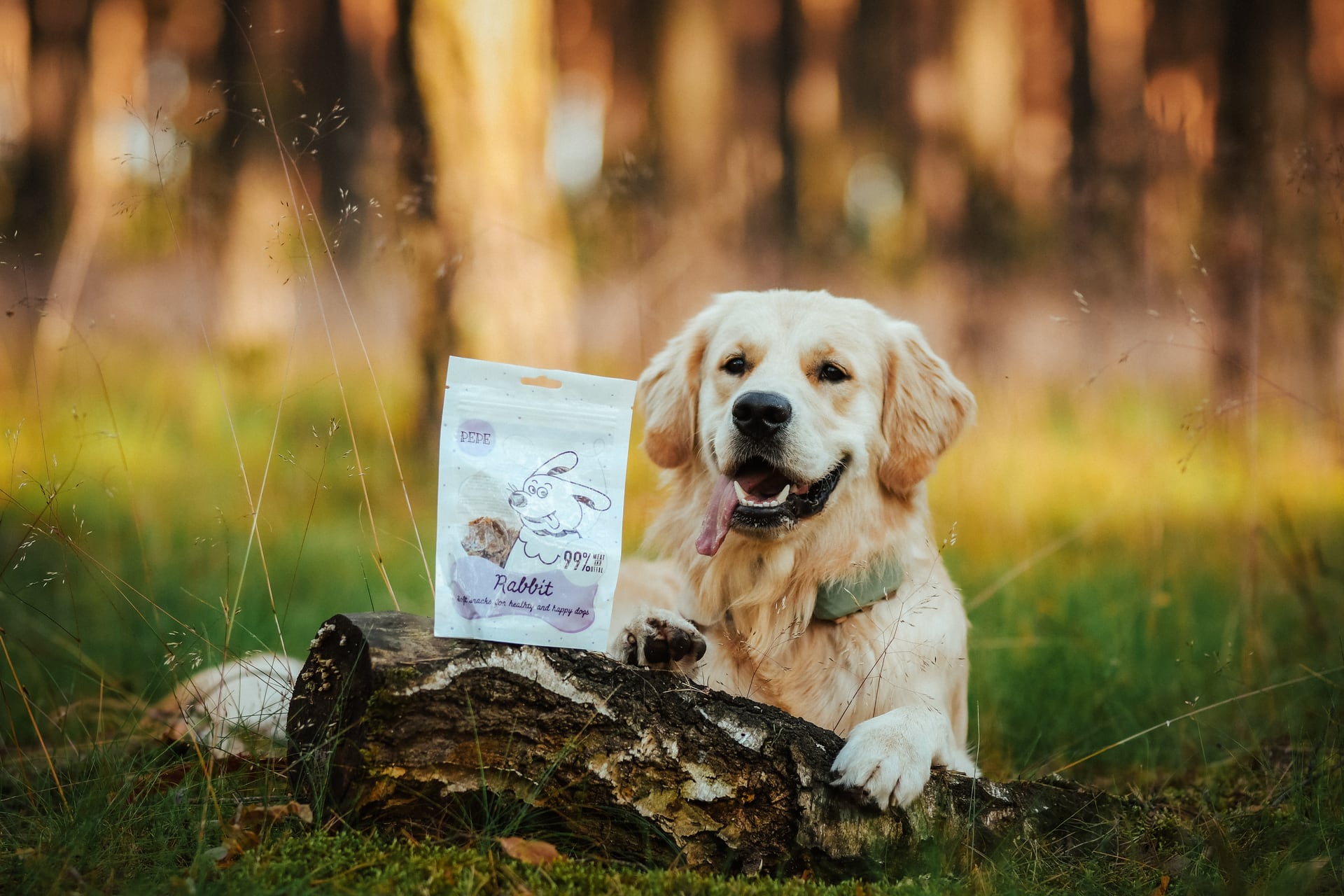
Puppy treats should suit the young dog's age and size and be easy to serve in small portions. This matters because puppies may be rewarded frequently during the early stages of learning.
How often should you give a puppy treats during training?
Short, regular exercises are generally better for a young dog than one long session. Puppies are easily distracted, and repeating the same task many times can quickly reduce their interest.
Work exercises into everyday activities. Practise calm waiting before a meal, reward appropriate behaviour while attaching the leash, and work on name response and attention during a walk.
Large portions are unnecessary. Small pieces work much better when rewards are frequent. Watch the puppy as well: if they lose interest, look around or walk away, they may need a break.
Treats or another reward — what works during dog training?
Food is convenient, but it should not be the only reward used in training. Make use of whatever the dog finds particularly valuable at that moment.
During a walk, the reward may be permission to continue sniffing. A dog that loves play may value a short tug or ball game. In other situations, praise and contact with the caregiver may be enough.
Recall is again a useful example. If returning to the caregiver always means immediately clipping on the leash and ending free exploration, the dog may become less willing to respond. Reward the recall and sometimes allow the dog to resume sniffing.
By varying rewards, the dog learns that cooperating with the caregiver can lead to many worthwhile outcomes.
Dog treats during training — which mistakes should you avoid?
Even a highly appealing treat cannot replace well-planned training. If the dog struggles with a task, consider not only their behaviour but also how the exercise is being conducted.
Common problems include rewarding too late, continually showing food before the cue and increasing the difficulty too quickly. Portions that are too large can also be troublesome when a dog performs many repetitions in one session.
Avoid repeating the same cue over and over. If the dog does not respond, consider what is making the task difficult. Moving farther from a distraction, returning to an easier exercise or offering a more valuable reward may be enough.
When should you reduce treats during dog training?
At the beginning, frequent rewards help the dog understand what is expected. This does not mean that every familiar behaviour must be rewarded with food for the rest of the dog's life.
Once the response is well established, gradually vary the way you reward it. Alternate treats with play, praise or permission to continue sniffing.
Reducing the frequency of treats is not the same as giving up rewards altogether. Valuable reinforcement can still help in challenging situations. A familiar cue performed around strong distractions is harder than the same cue at home.
Dog snacks as rewards — how do you control the quantity?
During active training, the number of small treats can add up quickly. One tiny piece seems insignificant, but several dozen rewards over a day form part of the dog's daily food intake.
Include reward snacks in the dog's total food allowance. This is especially important for dogs that train intensively, animals prone to weight gain and households where several people give rewards.
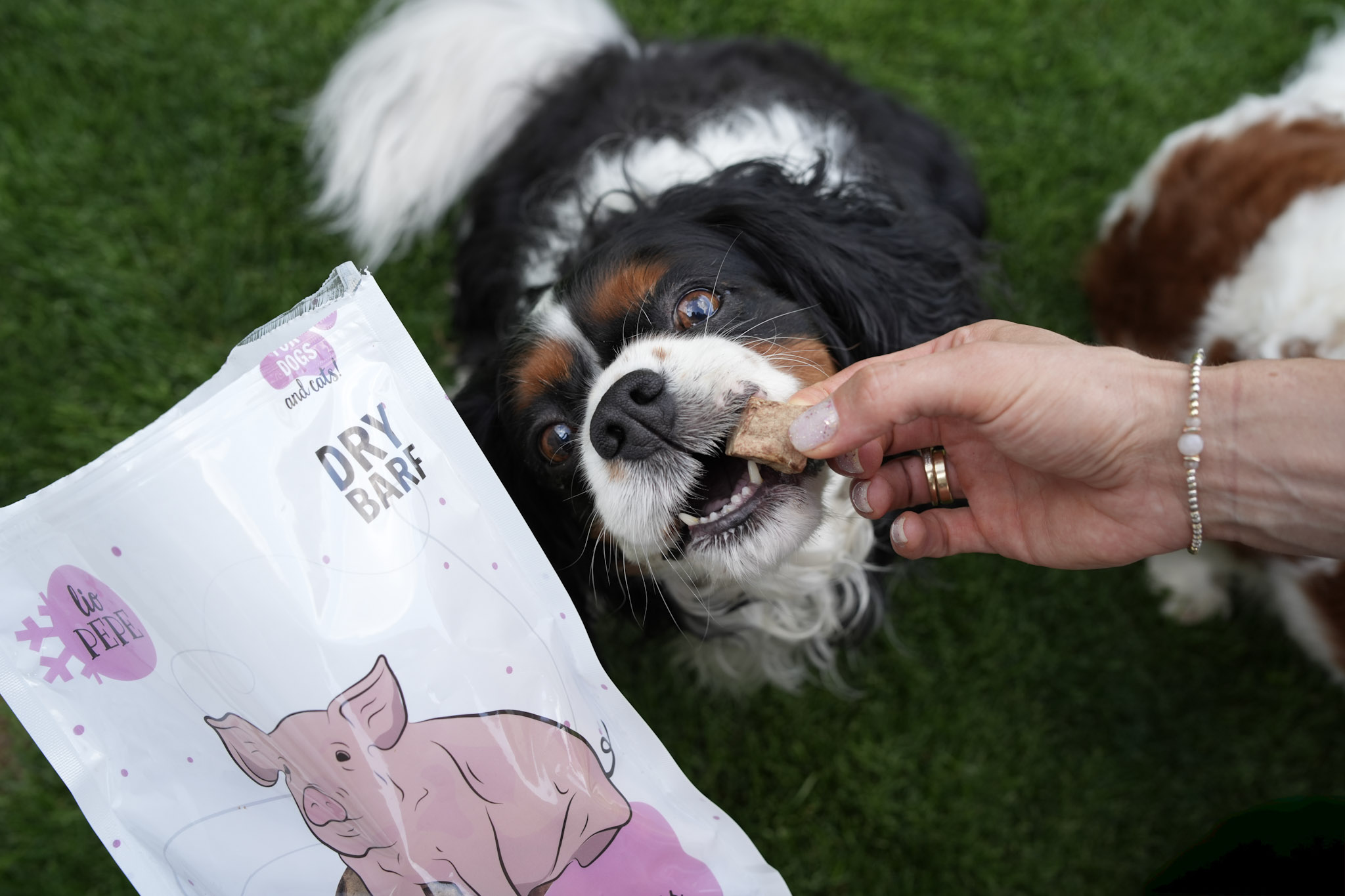
Preparing the day's treat allowance in advance is a useful solution. It makes the quantity easier to control without giving up rewards during exercises.
For simple, familiar tasks, you can also use part of the dog's daily food if it is motivating enough. Save tastier bites for more difficult exercises.
How should you reward a dog with treats? The key rules
Effective rewarding does not require a complicated system. The dog needs to connect their behaviour with its consequence easily, and the chosen reward must genuinely matter to them.
Remember these rules in everyday training:
- Reward the dog as soon as possible after the correct response.
- Match the value of the reward to the difficulty of the task.
- Use small portions when performing many repetitions.
- Increase distractions and difficulty gradually.
- Do not show food before every familiar cue.
- Use rewards other than treats as well.
Above all, observe the individual dog. Motivation can change with the place, the dog's wellbeing, the type of exercise and what is happening nearby.
Summary — how do you use dog treats wisely in training?
Dog treats can make training much easier when used thoughtfully. Their flavour and ingredients matter, but so do timing, portion size and matching the value of the reward to the difficulty of the task.
No single reward strategy suits every animal. A treat that works brilliantly at home may not be valuable enough during a walk. In other situations, play, praise or permission to continue sniffing can successfully replace food.
Good training is based on observing the dog and gradually adapting the demands to their abilities. Well-chosen rewards reinforce desired behaviour, maintain motivation to learn and create clear rules for everyday cooperation.