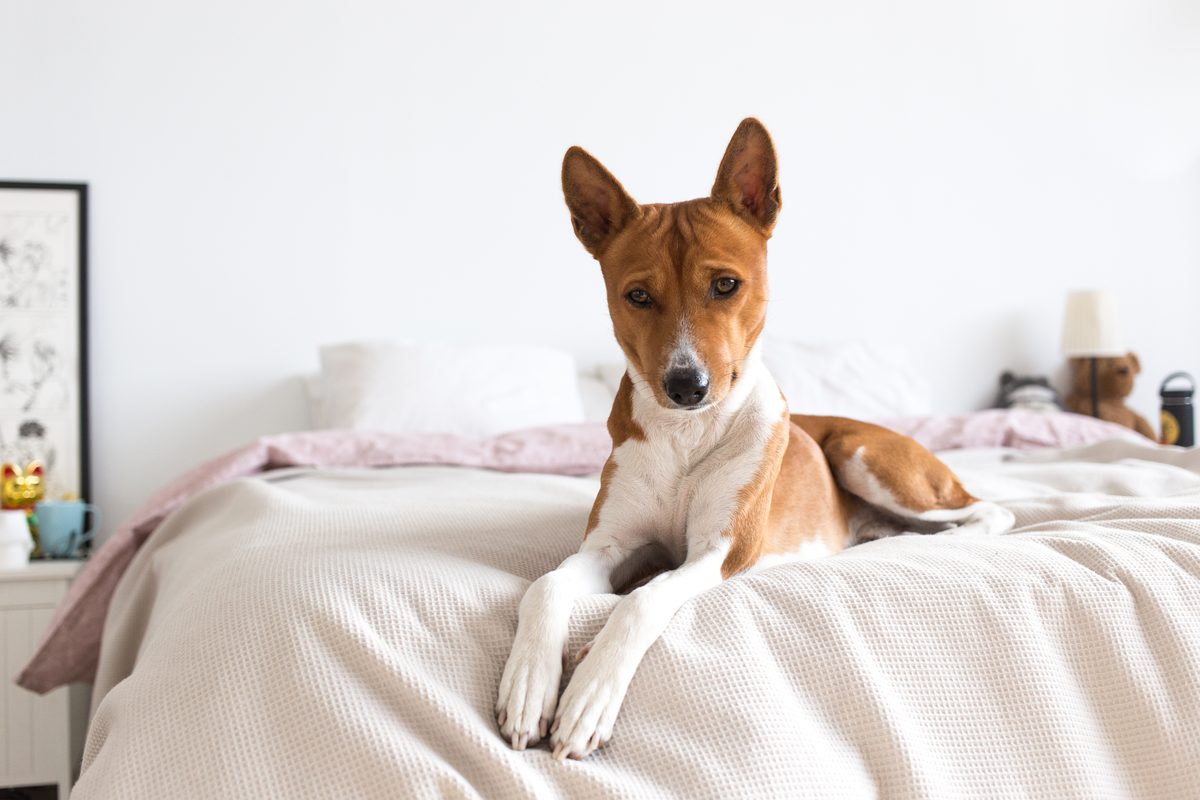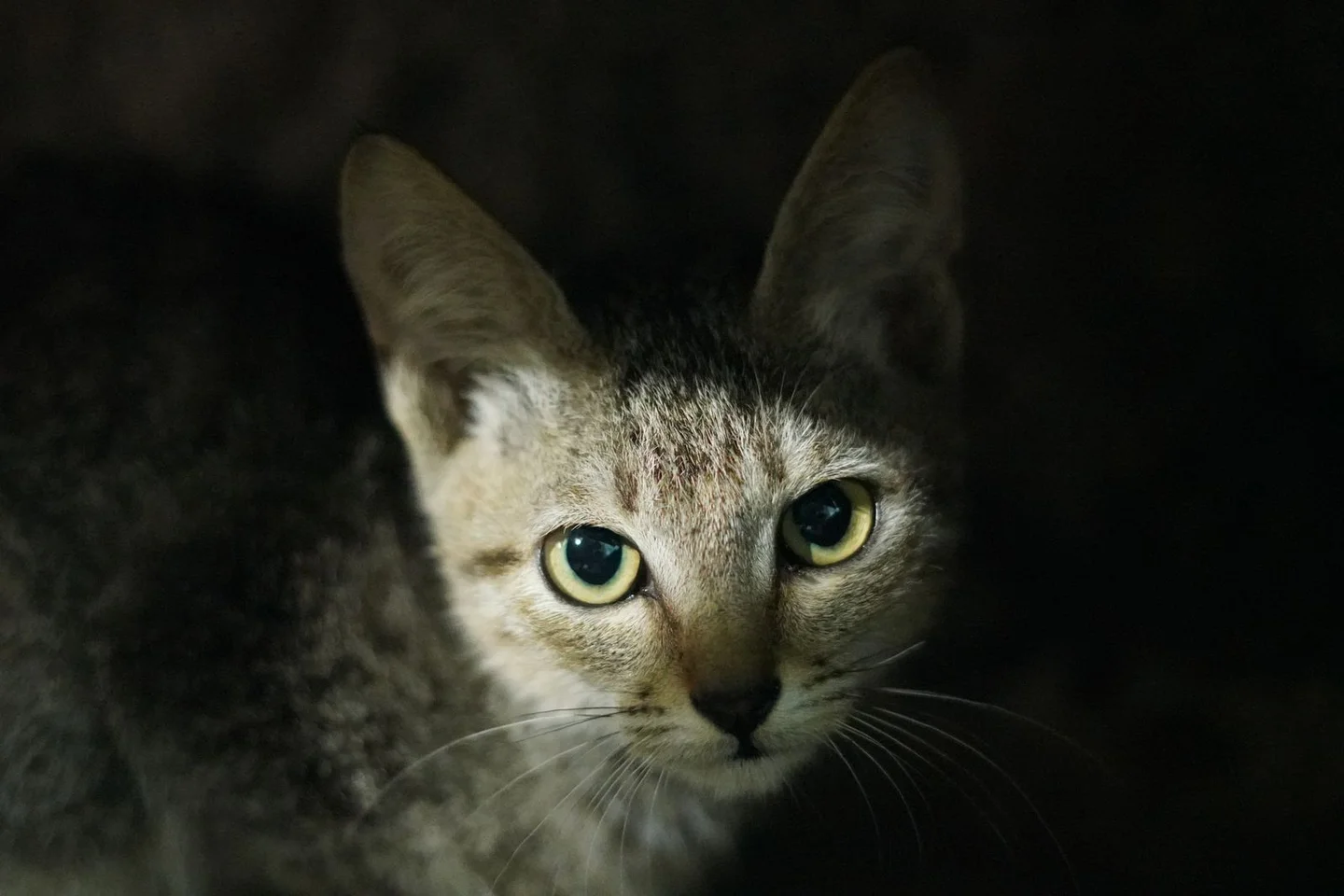
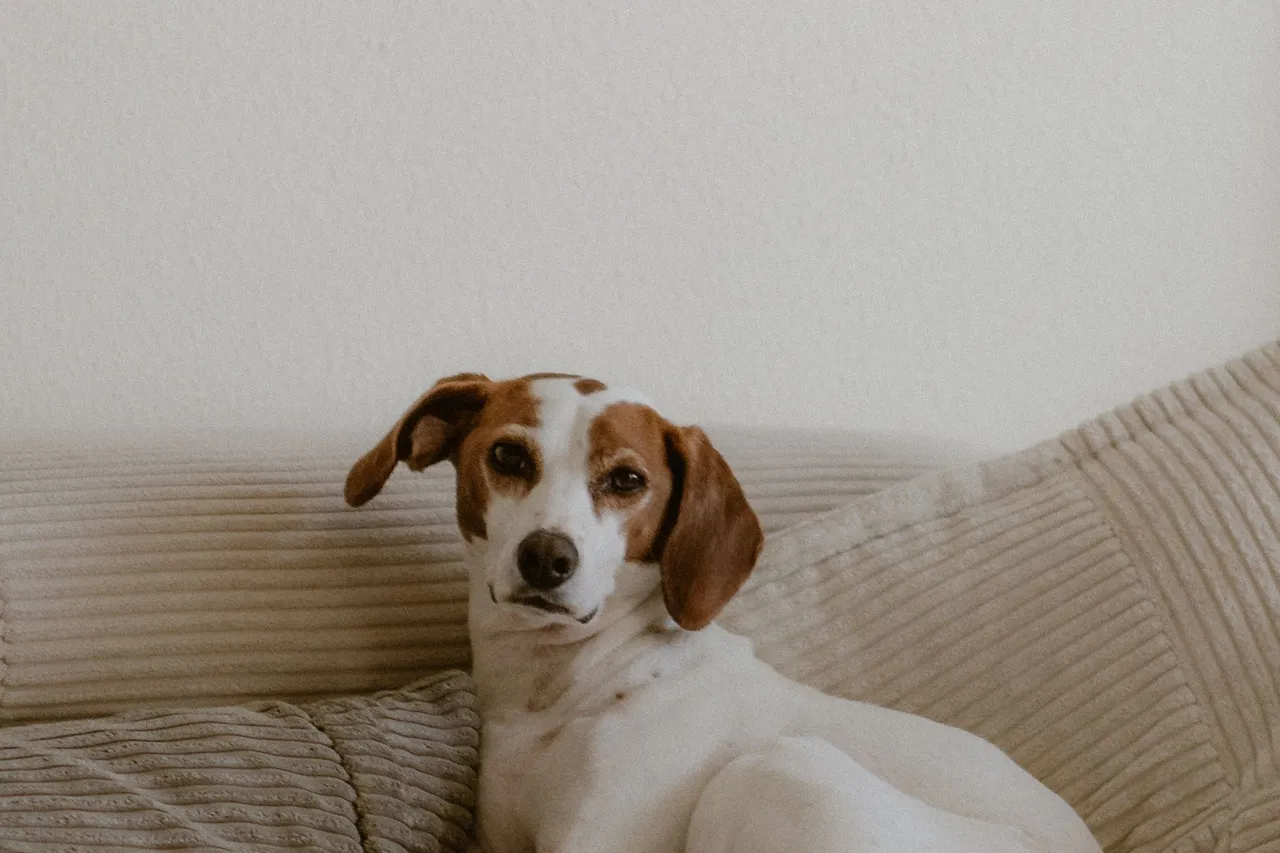
In short: if your dog is scared of fireworks, prepare a hiding place, get them used to the sounds gradually, discuss any medication with your vet in advance and don't leave them alone at midnight.
Below you will find a step-by-step plan: what to do two weeks before New Year's Eve, how to organise the evening of 31 December and what to watch out for on New Year's Day.
How to tell that your dog is scared of fireworks
Fear does not always look like panic. Watch for signs such as:
- panting without exertion, drooling, trembling,
- hiding under the bed, in the bathroom or behind the sofa,
- tail tucked in, ears flat, avoiding eye contact,
- pacing in circles, scratching at the door, trying to escape,
- barking, howling or the opposite - freezing completely,
- refusing food or walks.
If these reactions have appeared in previous years, they are unlikely to go away on their own. You can read more about spotting signs of stress in the article How to recognise stress in a dog.
How to prepare your dog before New Year's Eve
1. Prepare a safe place. Choose the room with the fewest windows - often a bedroom, walk-in wardrobe or bathroom. Put a bed there, a blanket you can drape over a crate or corner, water and a favourite toy. Let your dog use this place from now on, so that on 31 December it is nothing new.
2. Get them used to the sounds gradually. Play recordings of fireworks very quietly in the background during play or meals. Raise the volume a little every few days - only while your dog stays calm. If they start to get uneasy, go back to a quieter level.
Getting used to sounds usually takes several weeks, longer if the fear is strong - ideally start in October. If you only have two weeks left, focus on a hiding place, ID and a talk with your vet.
3. Check identification. Make sure your dog has a microchip registered in a database with your current phone number, and an ID tag on the collar. More animals run away on New Year's Eve and New Year's Day than on ordinary days - a frightened dog can break free even from a calm owner.
4. Talk to your vet - now, not on 30 December. If your dog reacts strongly, the vet can suggest a suitable solution and choose the dose. Some products need to be started a few days in advance or tested on a quiet day.
5. Plan the evening. Who will be with your dog at midnight? If you are going out, arrange care now - slots for 31 December go quickly.
31 December: the day and evening step by step
Morning and afternoon. Take a longer, calm walk while it is still light. A tired dog rests more easily in the evening. The first bangers are often heard in the afternoon, so don't leave the walk until the last minute.
Evening walk - short and safe. Go out earlier than usual, just for toilet needs. Your dog should wear a well-fitted harness and be on a lead. For anxious dogs a double safeguard works well: one lead clipped to the harness and a second to the collar. Don't let your dog off the lead - even if they always come back when called.
Dinner. Serve it earlier and in the usual portion. A dog with a full stomach is often calmer, and later they may not want to eat because of stress.
Prepare your home. Close the windows, lower the blinds and draw the curtains, and put on calm music, the radio or the TV in the background. Background sound masks some of the bangs.
At midnight. Stay close. If your dog seeks closeness, you can stroke them calmly and speak in a gentle voice. Comforting does not "reward fear". But don't force them out of a hiding place they went to on their own. Don't punish barking or accidents indoors - it is a reaction to stress, not spite.
Something for the nose. A snuffle mat, a frozen Kong or a chew help some dogs release tension. Not every dog will want to eat when stressed - that is fine too.
Cats on New Year's Eve - what to remember
Cats show fear less dramatically - they usually just disappear. That is why it is easy to assume "the cat coped". A few rules:
- An outdoor cat stays at home from the morning of 31 December until 1 January.
- Provide several hiding places - up high (a wardrobe, a shelf) and low down (a box, a bed under the bed).
- The litter tray, water and food must be reachable without crossing a "noisy" room.
- Close the windows and secure the balcony. A frightened cat can jump out even through a window left ajar.
- Don't pull your cat out of a hiding place or try to calm them by force.
You can find more about how cats show emotions in the article Cat body language.
Medication and calming products - only with a vet
Don't give your pet human medication or products "from friends". Some substances once given to dogs on New Year's Eve can immobilise the body but do not reduce fear - the dog is still afraid, it just cannot react. Others are simply dangerous for dogs and cats.
If you are thinking about medication, book a vet appointment. The vet knows your pet's health and will choose the right solution and dose. Calming pheromones also help some animals - their effectiveness varies, so treat them as an extra rather than the whole plan.
New Year's Day: a walk without a getaway
Fireworks don't stop at 00:30. Single bangs can still be heard during the night and on 1 January. On the first walk of the New Year:
- keep your dog on a lead clipped to a well-fitted harness,
- avoid places with leftover firework debris - your dog may sniff or eat it,
- if your dog doesn't want to go out, don't drag them - a short trip outside the building is enough.
If your dog is still afraid to go out after New Year's Eve, give them a few days of calm and short outings. You can read more about reading their signals in the article How to recognise stress in a dog.
Your dog ran away on New Year's Eve - what to do
- Don't chase your dog. A frightened dog runs even further. Call them in a calm voice, crouch down and turn sideways.
- Check the immediate area and the way home. Dogs often hide in gateways, basements, under cars or come back to their own front door.
- Report your dog missing in the database where the microchip is registered, at the animal shelter and with the municipal police in your city.
- Post a notice with a photo and your phone number in local Facebook groups - that is where news of found dogs most often appears.
- Leave someone at home who can open the door if your dog comes back on their own.
What if you won't be at home?
If you are going away for longer, also consider a stay with a verified pet sitter - a quieter home can be a better place for New Year's Eve than an empty flat in the city centre.
Every Alvis sitter goes through verification and training, and if a sitter can't come, we arrange a replacement.
Book care for New Year's Eve - ideally well in advance, before you start planning your own evening.
Frequently asked questions
When should I start preparing my dog for New Year's Eve?
Ideally 6-8 weeks in advance - that is how long sound training usually takes. Sort out the hiding place, microchip and vet visit at least 2-3 weeks before New Year's Eve.
Can I leave my dog alone on New Year's Eve?
A dog that is afraid of bangs is better not left alone at midnight. A frightened dog can hurt itself, damage doors or jump out of a window or off a balcony.
Does comforting a dog reinforce its fear?
No. A calm presence and a gentle voice help. What tends to do harm is a nervous reaction from the owner, punishment or forcing the dog to face the bangs.
What can I give my dog to calm down on New Year's Eve?
Only what a vet recommends after examining your dog. Don't give human medication or any products without a consultation.
How can I help my cat on New Year's Eve?
Keep them indoors, provide several hiding places and access to the litter tray and water, close the windows and don't pull them out of hiding.