
When should scratching concern you?
A single scratch tells you little. Look for changes from your dog's usual behaviour: more paw licking, face rubbing, chewing fur, head shaking or interrupted sleep. Do not wait for extensive bald patches. Record where your dog scratches and whether it interrupts meals, play or rest. The appearance of the skin alone cannot identify the cause.
Common groups of causes
- External parasites, including fleas and mites. Not seeing fleas does not rule them out; the vet will also review existing parasite protection.
- Allergies, including reactions to flea bites, food ingredients or environmental allergens. The location of scratching does not establish which trigger is responsible.
- Bacterial or yeast infections, sometimes secondary to another skin condition. Odour, redness and discharge need assessment.
- Irritation or a local skin, paw or ear problem. A new grooming product or contact with vegetation is useful information, not a confirmed diagnosis.
What to prepare for the appointment
Take a short video of the behaviour and photographs of skin changes in good light. Separate observations from assumptions in your notes: 'licks the right paw after walks' is more useful than 'allergic to grass'.
Bring parasite product names and application dates, a medication list and the full diet, including treats. Mention whether other animals or people in the household have symptoms.
How vets investigate itching
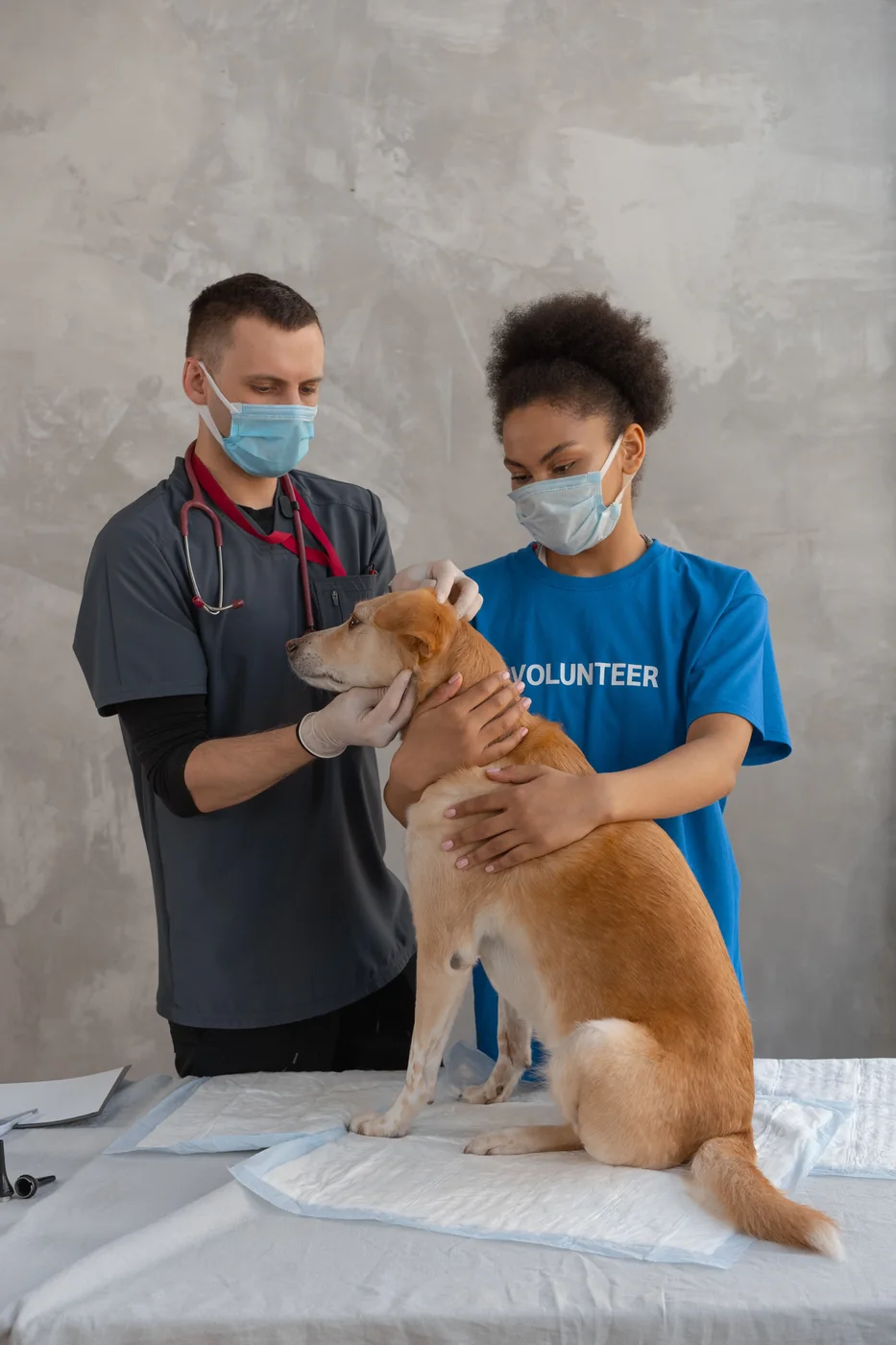
The history and examination may be followed by skin tests, scrapings or cytology. The choice depends on the presentation. If a food allergy is suspected, your vet may plan an elimination diet followed by an assessment of the response. Randomly switching several foods does not replace this process and makes results harder to compare.
What not to try on your own
- Do not give human anti-itch medicines, painkillers or leftover antibiotics without a veterinary decision.
- Do not apply essential oils, alcohol or random creams. Your dog may lick them off, and the product may worsen irritation.
- Do not punish scratching or assume it is purely stress-related. The cause of discomfort needs investigating first.
- Do not change several aspects of grooming and diet at once. Agree a plan, review dates and a way to record changes with your vet.
When help is urgent
Breathing difficulty, sudden facial swelling, collapse or a rapid deterioration require immediate veterinary help. Contact the clinic promptly about painful or weeping lesions, bleeding, severe itching or an ear problem, and describe what you see. Do not postpone a consultation simply because your dog still wants to eat.
Frequently asked questions
Can my dog have fleas even if I cannot see them?
Yes. Not seeing a parasite does not exclude its role in itching. Tell your vet which product was used and when.
Will changing food solve the problem?
Not necessarily. Itching has many causes, and investigating food reactions requires a structured plan. Avoid random trials of several diets.
Can a sitter apply skin treatment while I am away?
Only within an agreed scope and following written veterinary instructions. Confirm the task and the response to worsening symptoms before booking.