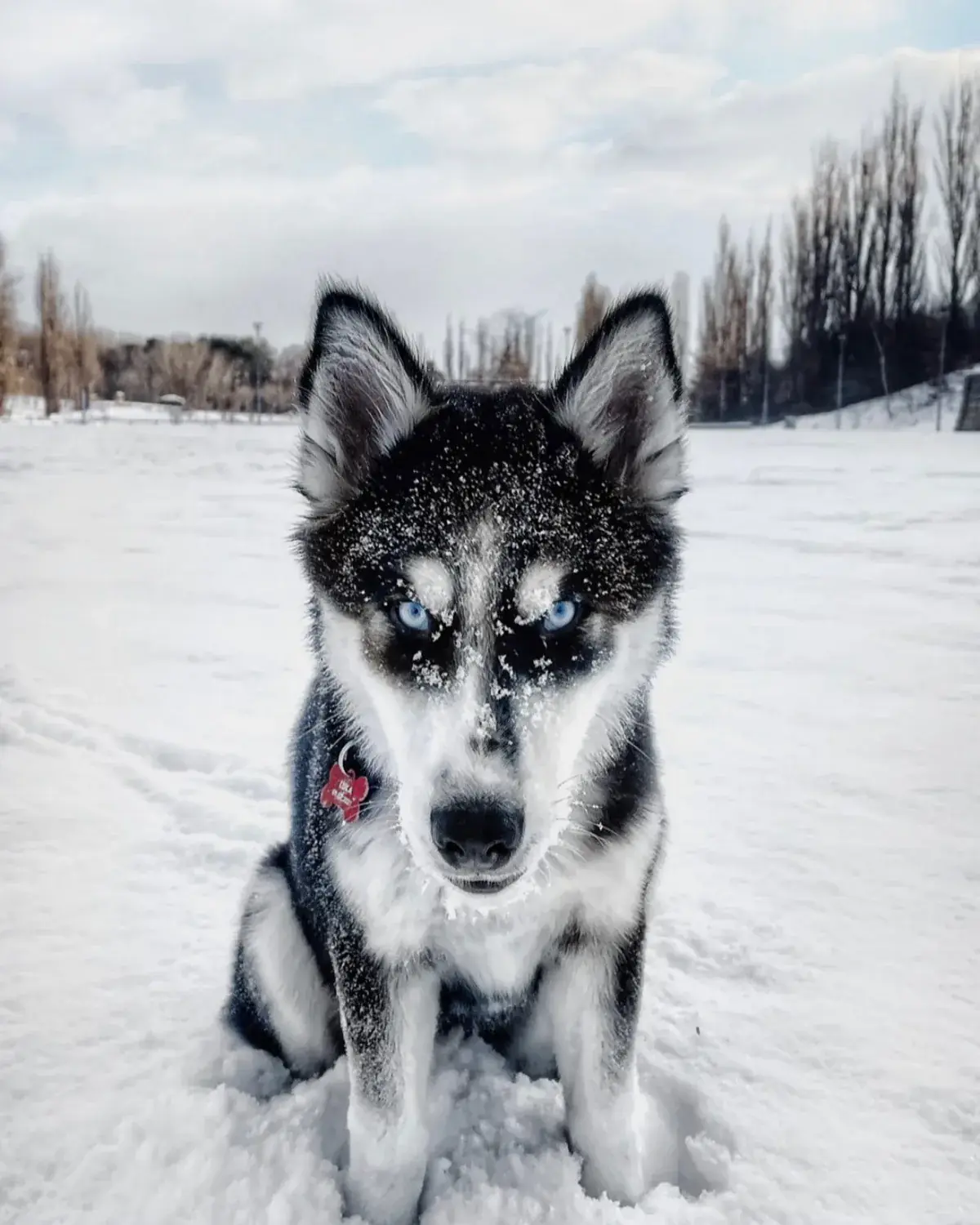
How much do you need to walk a husky? An adult husky needs at least 1.5-2 hours of activity a day, split into 2-3 outings - more than most dogs. The details are below.
How much daily exercise a husky needs
A healthy adult husky usually needs at least 1.5-2 hours of activity a day, and many dogs of this breed will happily do more. It is best split into several parts:
- 45-60 minutes of active walking or trotting in the morning,
- a shorter walk with sniffing during the day,
- 45-60 minutes of exercise and play in the evening.
It is not just about kilometres. A husky gets bored quickly if it walks the same route around the block every day. Vary the places, the pace and the type of activity.

What kind of exercise: walking, running, scent work
Brisk walking and trotting. A husky has a natural need to move at a steady, even pace - a gentle trot is "its" kind of exercise.
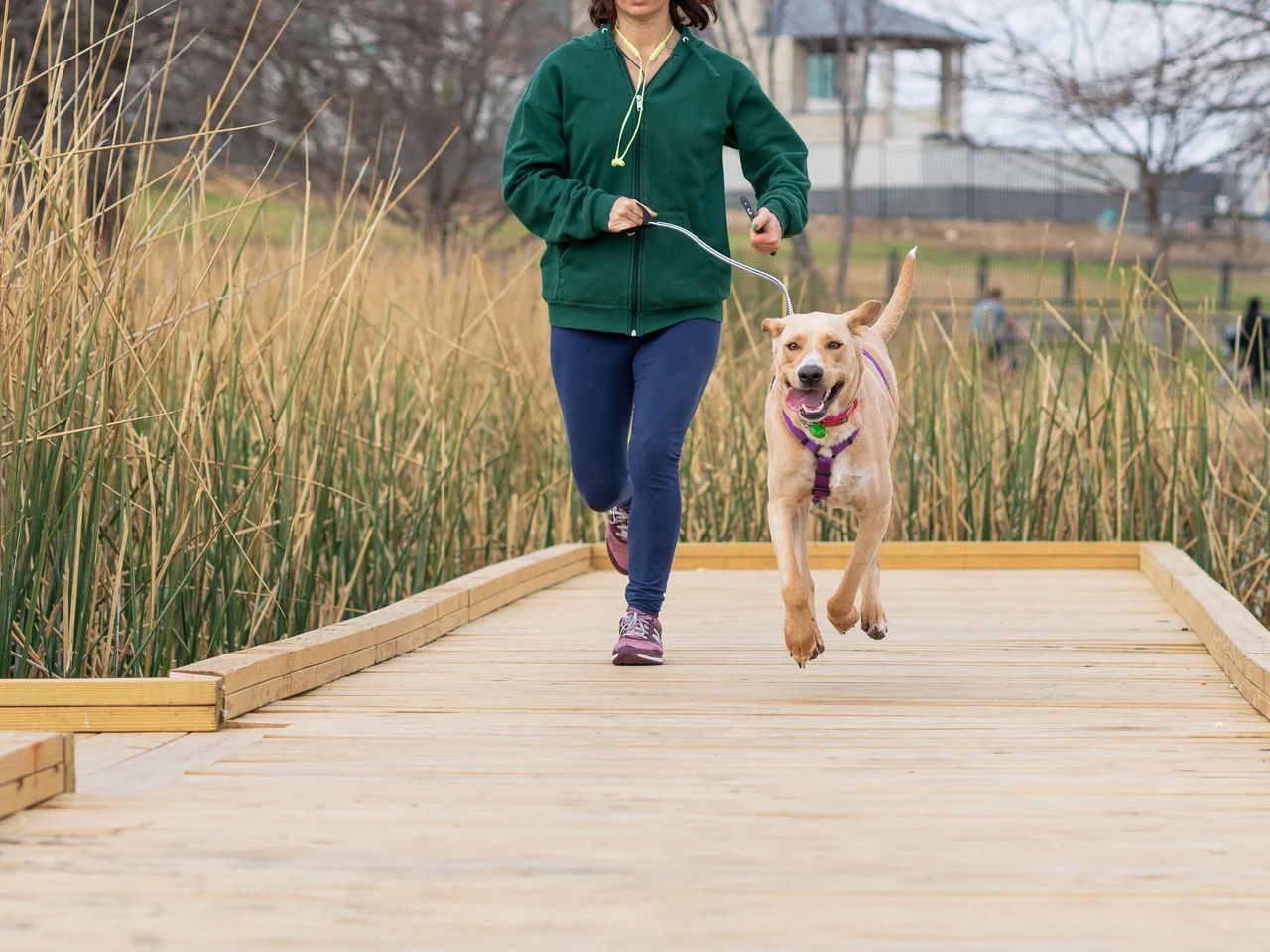
Sled-dog sports. Canicross (running with your dog in a special harness), bikejoring and dogtrekking are activities huskies simply love. Start with the basics - read how to run with your dog. Remember that intense training only begins with an adult dog, after consulting a vet.
Scent work and brain games. Hiding treats, snuffle mats, simple tracking. A husky is an intelligent, independent dog - tiring the mind matters as much as tiring the legs.
Contact with other dogs. Most huskies are sociable. Calm walks with other dogs help burn off energy.
Husky puppies - don't overdo it
A young husky has bags of energy, but its joints and bones are still growing. Avoid long runs, pulling and jumping until your dog is fully grown. Shorter, more frequent walks, exploring, loose-lead walking practice and socialisation are a better choice. Agree with your vet when to start sled-dog sports.
A husky in a flat - is it a good idea?
A husky can live in a flat if:
- someone has time for long daily walks - in the rain and on weekdays too,
- the dog isn't left alone for 9-10 hours without a break,
- it gets something to occupy its mind at home,
- you accept that huskies shed - heavily, especially twice a year.
The middle of the day is often the hardest. A bored husky can howl so loudly the whole stairwell hears it, or "rearrange" the flat. A midday walk often solves both problems - more on when to walk.
Signs your husky isn't getting enough exercise
- destroying things, digging at the sofa, chewing doors (dog destroying the flat - what to do),
- howling and barking when left alone,
- constant "wound-up" energy at home, trouble settling down,
- pulling on the lead and trying to escape,
- putting on weight.
If you see these signs, start by increasing exercise and mental activities - that is often enough. If it doesn't help, it is worth consulting a behaviourist.
Huskies in winter and summer
Winter is husky season. The thick double coat protects against frost, so a healthy adult husky usually doesn't need a coat. Winter is a good time for longer outings. After a walk on salted pavements, rinse the paws and check for ice between the pads.
In summer you need to be careful. Huskies cope badly with heat. On hot days (for many huskies already above about 20°C):
- walk early in the morning and late in the evening,
- skip running and intense exercise,
- choose shade, grass and access to water,
- don't shave your husky - the undercoat also helps regulate temperature and protects the skin from the sun. Brush your dog regularly instead.
A husky off the lead? Best not
Huskies are famous for not always coming back when called. They have a strong chase instinct and an urge to run straight ahead - including after cats and small animals, so even a "well-behaved" husky can vanish in a second when it sees a cat or a hare. In the city and near roads it is safer to use:
- a long training line (e.g. 5-10 m) in open areas,
- a well-fitted harness,
- fenced dog parks for free play.
Make sure your dog has a microchip registered in a database with your current phone number - huskies are escape artists, from gardens and balconies too.
When you're short of time for walks
A husky won't understand that you have a meeting until 7 pm today. If you can't give it enough exercise during the week, a regular daytime walk with a sitter will help.
Frequently asked questions
How many kilometres a day should a husky walk?
It depends on the dog, its age and fitness. Instead of counting kilometres, make sure it gets 1.5-2 hours of activity a day, partly at a faster pace and partly with sniffing.
Can a husky live in a flat?
It can, if it gets long daily walks, isn't left alone all day and has something to occupy its mind. Without that it gets bored quickly and can be noisy.
When can I start running with my husky?
Intense running and sled-dog sports usually only start with an adult dog, once its bones and joints are fully developed. Agree the exact timing with your vet.
Can a husky go for walks in summer?
Yes, but early in the morning and late in the evening, at a calm pace, with access to water. Avoid exercise in the heat.