Start with the situation and your cat’s habits
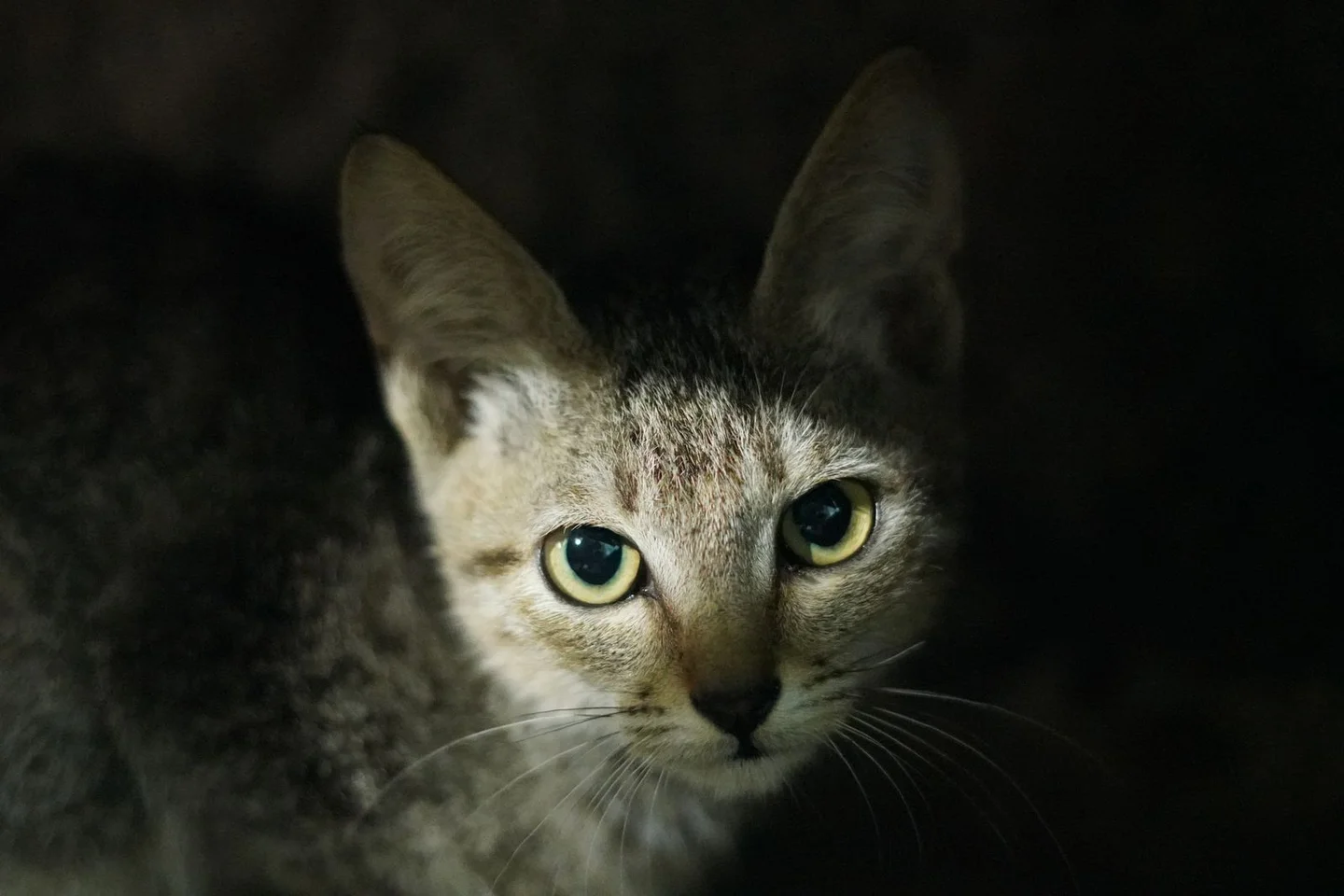
The same movement can mean different things during play, stroking or a meeting with a stranger. Before approaching, notice what the cat was doing, whether they can leave and whether their body looks loose or tense. Consider the lighting too: wide pupils alone do not prove fear.
Compare behaviour with that individual cat’s daily habits. “The cat hid under the bed when the vacuum started” is more useful than “the cat is being spiteful”. Describing what happened helps you respond without assigning human motives.
The tail: greeting, concentration or tension?
An upright tail during a relaxed approach often accompanies a friendly greeting. It does not automatically mean permission to pick the cat up. Pause and let the cat choose whether to stay close.
Fast, forceful tail movements can indicate arousal or irritation. During stroking, take a break; when the cat watches a toy, assess concentration and posture as well. A tail held close to a tense, lowered body suggests a need for distance. Fluffed-up fur is not an invitation to touch.
Ears, eyes and whiskers: read the combination
Forward-facing ears can accompany interest, but do not prove that a cat is calm. Ears turned sideways or back, especially with a tense body, call for caution. Do not move their ears or touch their head to “test the reaction”.
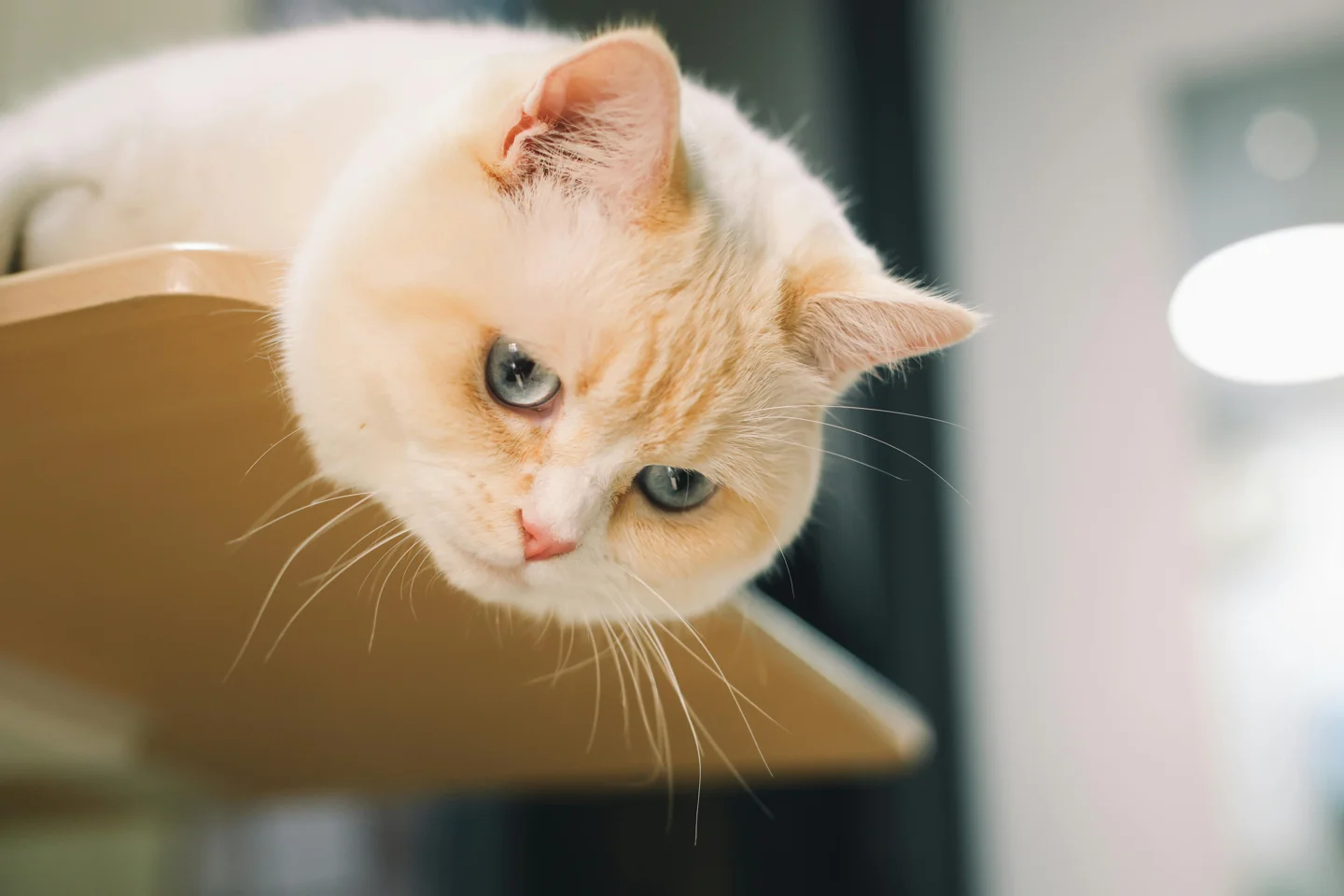
A soft gaze and slow blinking can be part of calm contact. You can gently narrow your eyes and look away. Staring from close range adds pressure. Use whiskers as supporting information: forward whiskers can accompany interest, while whiskers held close to the face can accompany tension. Read the rest of the body too.
The belly, freezing and limits on stroking
A cat lying on their back is not necessarily asking for a belly rub. An exposed belly with a loose posture can accompany rest; do not treat it as consent to touch. Stillness is not always relaxation either: look at muscle tension, ears and the possibility of retreat.
If the cat approaches, offer brief contact in a place they usually enjoy, then pause. Turning towards your hand, stiffening or increasingly active tail movements are reasons to withdraw it. You do not need to wait for a bite before stopping.
What should you tell an Alvis pet sitter?
Before travelling, describe favourite hiding places, greetings and signals that end an interaction. Explain whether the cat usually approaches visitors and which changes you want reported. A sitter should not pull a cat from a hiding place simply to take a photo.
Home care also involves food, water, the litter tray and observations of behaviour. Agree on the scope of visits and how to contact you about a worrying change. Explore cat care with Alvis.
Hissing and purring need context too
Hissing is a signal to increase distance. Do not punish or restrain a cat to “get them used to it”. End the interaction, reduce the trigger if safe and leave a way out.
Purring often accompanies pleasant contact, but can also occur with stress or pain. Do not use it as your only reassurance that a cat feels well. Notice appetite, movement and changes in everyday behaviour.

What to do when you notice tension
- Stop stroking or approaching.
- Move back calmly without blocking the way.
- Let the cat use a hiding place; do not reach inside.
- Note what happened beforehand and how long the response lasted.
- For repeated difficulties, discuss health first, then any behavioural support needed.
When should you contact a vet?
New avoidance of touch, hiding, changes in appetite, grooming or movement can have a health-related cause. A photograph cannot establish that a cat is “just stressed”. Contact a vet, particularly when behaviour differs clearly from the cat’s normal pattern.
Specific observations and a short video taken without provoking the response can help. Note when the change began, when it occurs, and any changes in eating or litter-tray use. Do not give human pain medicines.
Frequently asked questions about cat body language
Does a moving tail mean happiness?
Not necessarily. Tail movement can accompany concentration, arousal or irritation. Pause stroking and look at the whole body.
Does showing the belly invite a belly rub?
Do not assume it does. Let the cat choose contact and respect areas they dislike having touched.
Can a purring cat be in pain?
Yes. Purring does not rule out pain. New behavioural changes need veterinary assessment.
How should I greet an unfamiliar cat?
Give them a choice. Keep some distance, avoid staring and wait for them to approach. Do not immediately pick them up.