Start with the itinerary, not the packing
Write down the whole journey: reaching the station, connections, waiting, accommodation and the return. Ask whether your dog can join you at the places you plan to visit. Pet-friendly accommodation does not solve the question of several hours spent sightseeing without your dog.
Discuss travel sickness, severe anxiety or chronic conditions with your vet before making the plan final.
Dogs in cars: restraints and breaks
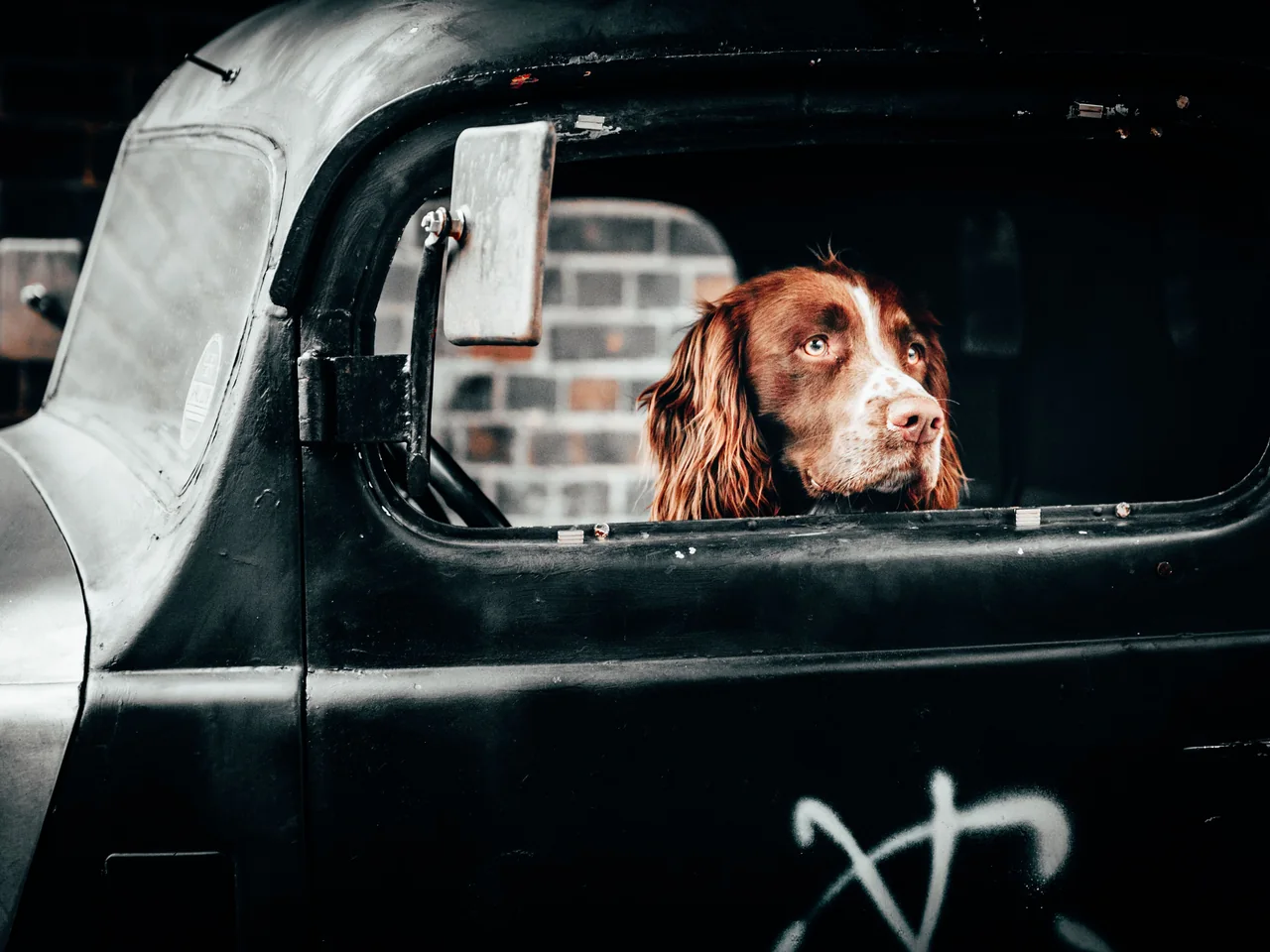
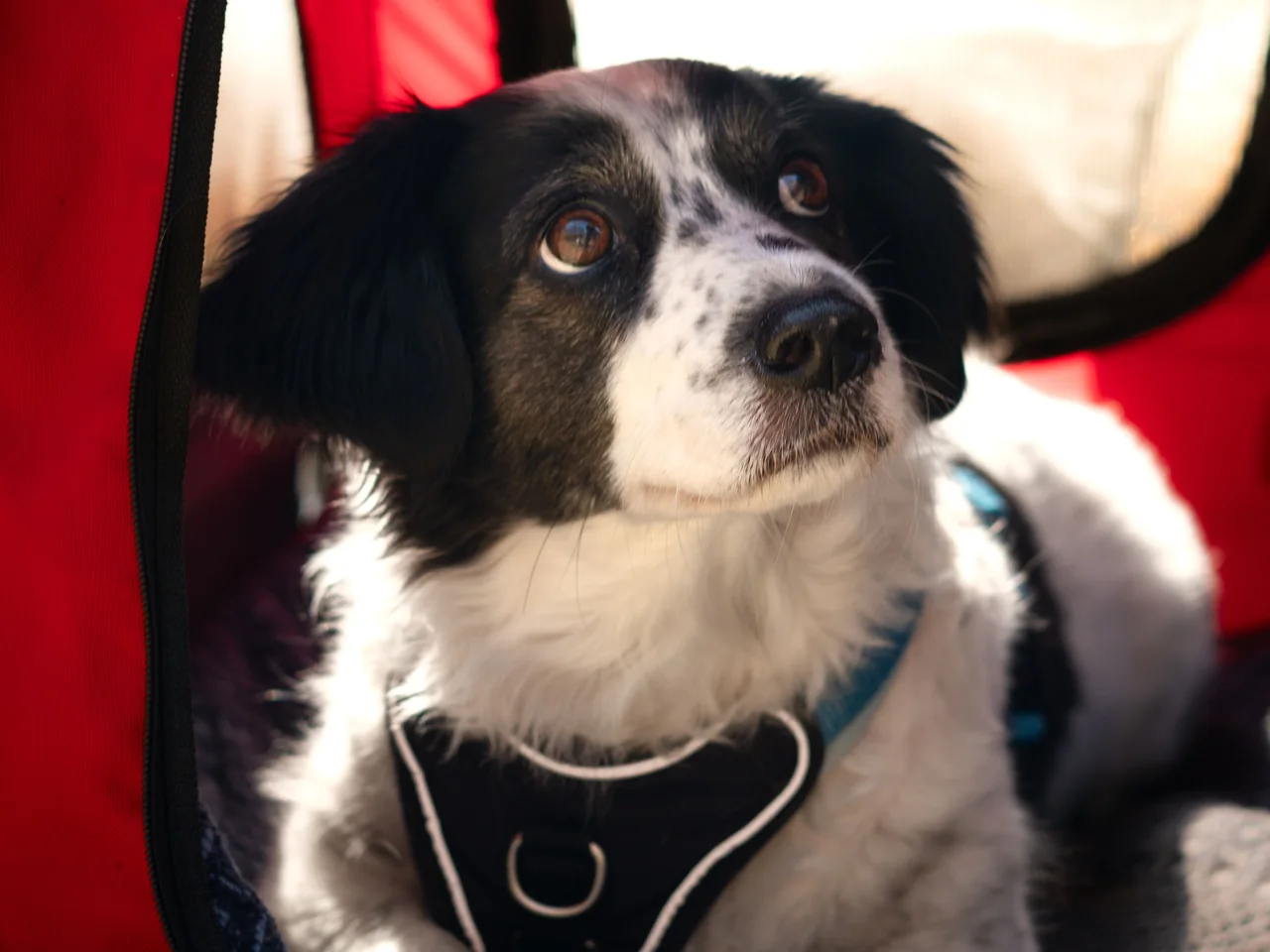
Choose a properly secured carrier or a vehicle harness and restraint system suited to your dog and car. Check the fitting instructions; an ordinary lead attached to a collar is not a substitute. Your dog should not move around the driver or put their head out of the window. Keep water, a lead and waste bags accessible rather than underneath the luggage.
Practise calmly entering a parked car first, then try short journeys. Plan places for rest and toilet breaks. Secure your dog before opening the door so they cannot jump out beside a busy road. Do not leave them alone while shopping at a stop; change your plans or share supervision with another traveller.
Dogs on trains: check the specific service
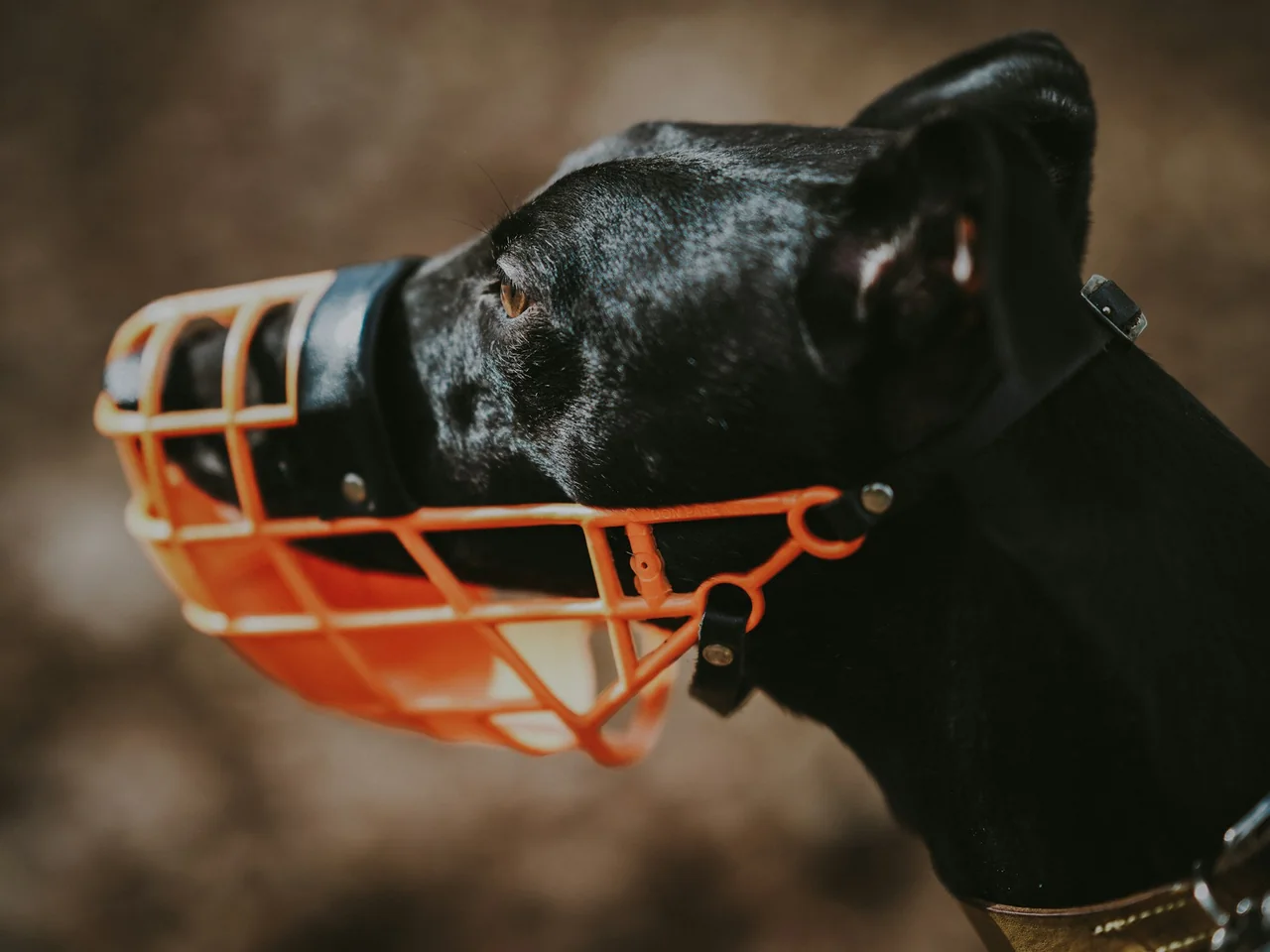
Rules depend on the operator. Check dog tickets, documents, carrier requirements and lead or muzzle rules. Poland's rail regulator, UTK, explains that dogs travelling outside carriers may need a ticket, lead and muzzle. Do not assume domestic train conditions also apply internationally; assistance dogs have separate arrangements.
Dogs on planes: confirm before buying
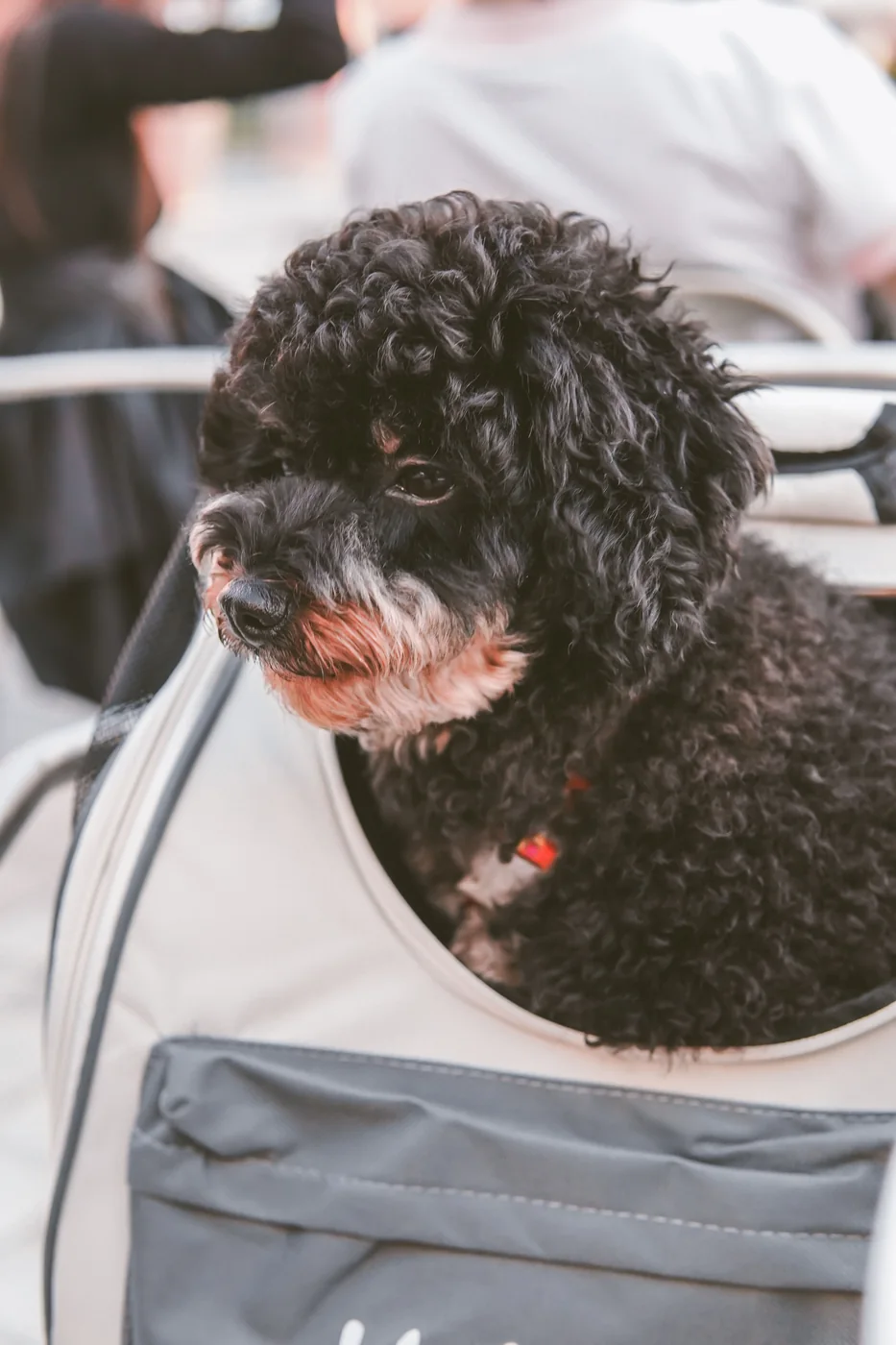
Do not assume your passenger ticket includes a place for your dog. Confirm pet transport on every leg, including services operated by another airline. Check carrier dimensions, combined weight, travel location and health or breed restrictions.
For example, LOT currently lists an 8 kg cabin limit including the pet and carrier; verify the conditions for your flight. Do not give sedatives without an individual veterinary decision and checking the airline's requirements.
Documents and packing checklist
- For travel between EU countries, check microchip identification, a valid rabies vaccination and a pet passport. A primary rabies vaccination generally requires a 21-day wait.
- Check additional requirements for your destination, transit and return. Entering from outside the EU may require different documents and tests.
- Pack water, a bowl, familiar food, a mat, waste bags and medication as prescribed. Carry document copies and veterinary contact details.
- Save your pet transport confirmation and plan for delays or refused boarding. Do not leave reading the conditions until departure day.
Frequently asked questions
Can every dog fly in the cabin?
No. Airline rules, available space, carrier dimensions and animal requirements determine eligibility. Confirm them before paying for the trip.
Is a pet passport enough for every trip?
No. Requirements depend on your destination, transit and return. Check official destination information and discuss preparations with your vet well in advance.
What if my dog struggles badly with travelling?
Do not try to push through the problem with a longer journey. Discuss the symptoms with your vet and consider different transport or care while you travel.